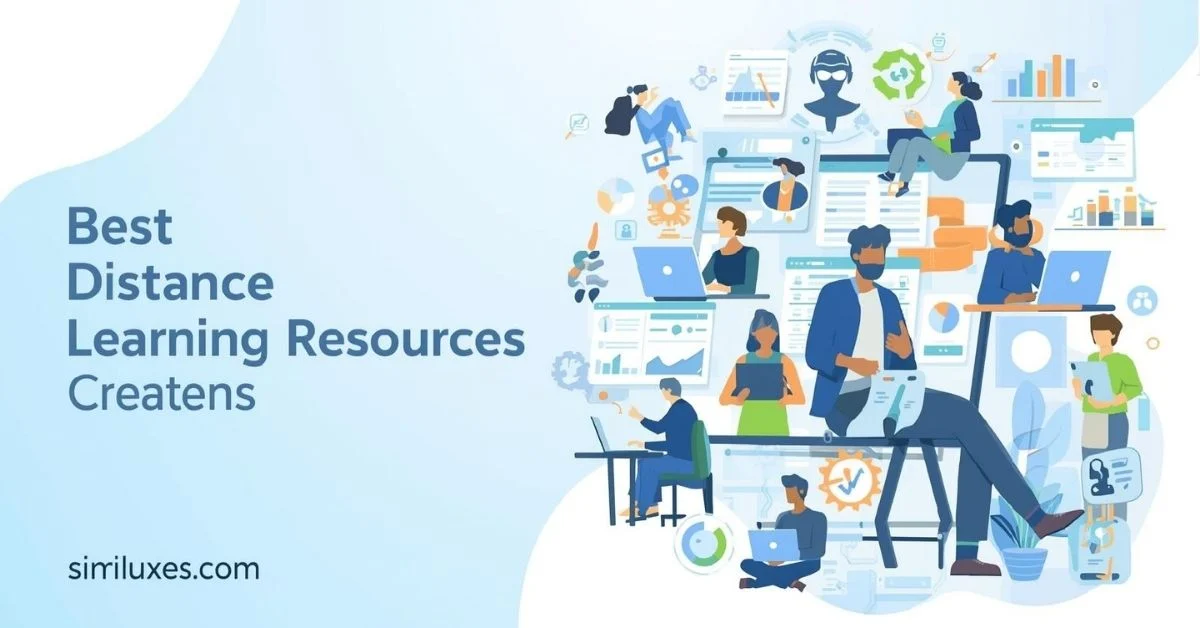

In today’s fast-paced digital world, learning no longer requires a traditional classroom. Distance learning resources have revolutionized education by providing students, educators, and professionals with the tools they need to learn anywhere, anytime.
These resources include a wide range of materials from online courses and study guides to interactive apps and multimedia content that make remote learning accessible and effective. If you’re a K–12 student, a university learner, or a professional looking to upskill, the right online learning resources can help you achieve your goals efficiently.
With the rise of e-learning materials and virtual learning tools, learners can access structured courses, collaborate with peers, and track progress without being limited by geography.
In this guide, we’ll explore the most effective distance learning resources, how to choose them, and practical tips to maximize your learning experience in the digital age.
What Are Distance Learning Resources?
Distance learning resources are the backbone of remote education, providing learners with the tools and materials needed to study effectively outside a traditional classroom. These resources encompass a wide variety of digital and physical tools designed to support learning at any level if you’re a student, educator, or professional.
At their core, distance learning resources include online learning platforms, educational software, multimedia content, and Open Educational Resources (OER). For example, platforms like Coursera, Udemy, and Khan Academy offer structured courses, while tools such as Google Classroom, Zoom, and Moodle help with classroom management and collaboration. Additionally, interactive videos, podcasts, eBooks, and downloadable study guides enhance engagement and understanding.
By leveraging these tools, learners can access high-quality education, track their progress, and develop skills at their own pace. Using the right e-learning materials ensures that remote learning is not only possible but also effective and enjoyable.
Benefits of Distance Learning Resources
Using the right distance learning resources offers numerous advantages for students, educators, professionals, and even businesses adopting hybrid learning models.
For Students:
Students can enjoy flexible learning schedules, self-paced study, and access to a variety of online learning resources. Interactive tools, videos, and quizzes make learning more engaging and help improve understanding and retention.
For Educators:
Teachers and instructors benefit from streamlined lesson delivery, easier classroom management, and the ability to monitor student progress with educational software and learning management systems. These resources allow for more personalized teaching and better support for learners.
For Professionals & Lifelong Learners:
Distance learning resources enable skill-building, certifications, and professional growth without disrupting work. Platforms offering structured courses, webinars, and tutorials make self-improvement accessible anytime, anywhere.
For Businesses & Organizations:
Companies can train employees efficiently using virtual learning tools and e-learning materials, reducing costs and providing consistent, high-quality training across teams.
Overall, distance learning resources make education flexible, accessible, and effective for all types of learners.
How to Choose the Right Distance Learning Resources
Selecting the best distance learning resources is key to ensuring a productive and engaging learning experience. With so many online learning resources available, it’s important to choose tools that align with your goals, schedule, and learning style.
1. Identify Your Learning Goals
Start by clarifying what you want to achieve if it’s mastering a subject, gaining professional skills, or supplementing classroom learning. Knowing your objectives helps you pick the most relevant e-learning materials.
2. Check Accessibility
Ensure the resources are compatible with your devices, such as smartphones, tablets, or computers. Mobile-friendly platforms allow you to learn anywhere, anytime.
3. Evaluate Interactivity
Interactive tools like quizzes, discussion forums, and simulations enhance engagement and retention. Choose resources that encourage active participation.
4. Assess Credibility
Opt for platforms with certified instructors, verified content, or reputable sources to ensure quality learning.
5. Compare Free vs. Paid Options
Open Educational Resources (OER) provide free materials, while premium platforms often offer structured courses, certifications, and advanced support.
By carefully considering these factors, you can select distance learning resources that are effective, reliable, and suited to your personal or professional learning journey.
Distance Learning Resources by Category
Distance learning resources are diverse, and different learners benefit from different types of tools. Understanding the categories can help you choose the most effective resources for your needs.
1. K–12 Students
For younger learners, resources focus on interactive lessons, educational games, and worksheets. Platforms like Khan Academy, ABCmouse, and BrainPOP provide age-appropriate content to make learning fun and engaging.
2. College & University Learners
Higher education students often rely on online lectures, virtual labs, research databases, and collaborative tools. Platforms like Coursera, edX, and Canvas offer structured courses and assessments to support academic goals.
3. Adult & Professional Learners
Professionals can access skill-building courses, certifications, webinars, and tutorials through platforms like LinkedIn Learning, Udemy, and Skillshare. These resources help upskill without interfering with work schedules.
4. Small Businesses & Corporate Training
Companies use distance learning resources to train employees efficiently. Virtual learning platforms, interactive workshops, and collaboration tools like Zoom, Microsoft Teams, and Moodle ensure consistent learning across teams.
5. Mobile Learning Resources
Mobile-friendly apps and platforms allow learners to study on the go. From quiz apps to video tutorials, distance learning resources for mobile devices provide flexibility and convenience for any learner.
By categorizing resources, learners and educators can identify the most effective tools for their specific goals and contexts.
Tools & Platforms for Distance Learning
Choosing the right distance learning resources often comes down to the tools and platforms you use. These platforms make remote education effective, interactive, and organized.
1. Learning Management Systems (LMS)
LMS platforms like Moodle, Canvas, and Blackboard help educators manage courses, distribute materials, and track student progress. They are essential for structured learning programs in schools, universities, and corporate training.
2. Video Conferencing Tools
Platforms such as Zoom, Microsoft Teams, and Google Meet enable live classes, group discussions, and webinars. These tools make virtual classrooms interactive and collaborative, bridging the gap between instructors and learners.
3. Collaboration Tools
Tools like Slack, Trello, and Notion facilitate teamwork, project management, and communication, helping learners stay organized and connected in remote learning environments.
4. Resource Repositories & Course Platforms
Websites like Coursera, edX, Udemy, and Khan Academy provide access to structured courses, tutorials, and certifications. They are excellent sources of e-learning materials for learners of all levels.
5. Interactive Learning Tools
Apps like Quizlet, Kahoot, and Duolingo offer quizzes, flashcards, and gamified learning experiences, enhancing engagement and retention.
By leveraging these tools, learners can create a comprehensive and effective remote learning setup, making the most of available distance learning resources.
Strategies to Maximize Distance Learning
Using distance learning resources effectively requires strategy, focus, and consistency. Here are practical tips to get the most out of your remote learning experience:
1. Create a Structured Study Schedule
Set aside dedicated time for learning each day. Consistency helps build discipline and ensures you complete courses and assignments on time.
2. Set Clear Learning Goals
Define what you want to achieve with each resource if it’s mastering a topic, completing a certification, or enhancing a skill. Clear goals help maintain focus and measure progress.
3. Engage Actively with Content
Take notes, participate in discussions, and complete quizzes or exercises. Active engagement improves comprehension and retention.
4. Use a Mix of Resources
Combine online learning resources, videos, study guides, and interactive tools. This variety keeps learning interesting and caters to different learning styles.
5. Optimize Your Learning Environment
Choose a quiet, distraction-free space with reliable internet. Ensure your devices are ready and all necessary software or apps are installed.
6. Track Your Progress
Use tools within LMS platforms or learning apps to monitor your achievements. Regular tracking motivates you to continue learning and identify areas that need improvement.
By following these strategies, learners can maximize the benefits of distance learning resources, making their remote education more productive, engaging, and rewarding.
Challenges in Distance Learning and How Resources Help
While distance learning resources make remote education accessible, learners often face challenges that can impact motivation and effectiveness. Understanding these challenges and using the right resources can make a significant difference.
1. Lack of Motivation and Discipline
Without a structured classroom environment, learners may struggle to stay motivated. Interactive online learning resources, gamified apps, and progress tracking tools can help maintain engagement and accountability.
2. Feeling Isolated
Remote learning can feel lonely, especially without peer interaction. Collaboration tools like Slack, Zoom, and discussion forums within LMS platforms allow learners to connect, ask questions, and participate in group activities.
3. Technical Issues
Slow internet, incompatible devices, or unfamiliar software can disrupt learning. Choosing accessible, mobile-friendly distance learning resources and ensuring device readiness minimizes technical difficulties.
4. Overwhelm from Too Many Resources
With countless platforms and tools available, learners can feel overwhelmed. Prioritizing high-quality, credible e-learning materials and combining only a few key resources ensures focused and effective learning.
By leveraging the right distance learning resources, learners can overcome these obstacles, stay on track, and enjoy a smoother, more productive remote learning experience.
Future of Distance Learning Resources
The world of education is rapidly evolving, and distance learning resources are becoming smarter, more immersive, and increasingly personalized. Emerging technologies are shaping the future of remote education, making learning more effective and engaging than ever before.
1. AI-Driven Personalized Learning
Artificial intelligence is being used to adapt lessons to individual learners’ needs. Platforms can now analyze progress and suggest personalized courses, exercises, and resources, ensuring that learners get exactly what they need to succeed.
2. Virtual Reality (VR) and Augmented Reality (AR)
Immersive VR and AR technologies are creating lifelike simulations for hands-on learning. Students can conduct virtual experiments, explore historical sites, or practice skills in a safe, interactive environment.
3. Global Learning Communities
Distance learning resources increasingly connect learners worldwide. Online forums, collaborative projects, and social learning platforms allow students to engage with peers across borders, enhancing cultural understanding and networking.
4. Gamification and Engagement Tools
Gamified elements, such as badges, points, and leaderboards, motivate learners and make remote learning fun. These tools increase engagement and help learners stay committed to their goals.
As technology advances, distance learning resources will continue to evolve, offering more personalized, interactive, and globally connected learning experiences for students, professionals, and educators alike.
FAQs
1. What are the best free distance learning resources?
Some of the best free options include Khan Academy, Coursera (free courses), edX (audit options), and Open Educational Resources (OER). These platforms offer high-quality online learning resources for students of all levels.
2. Can distance learning resources replace traditional education?
While distance learning resources provide flexibility and accessibility, they are most effective when combined with structured guidance and interaction. For many learners, they complement traditional education rather than fully replace it.
3. How do I choose the most effective online learning tools?
Focus on your learning goals, accessibility, interactivity, and credibility. Use a mix of e-learning materials, multimedia content, and collaborative platforms to ensure a comprehensive learning experience.
4. Are mobile learning resources as effective as desktop platforms?
Yes! Mobile-friendly apps and resources allow learning on the go. Many platforms, like Quizlet, Duolingo, and Khan Academy, offer interactive and engaging distance learning resources for mobile devices.
5. Can businesses benefit from distance learning resources?
Absolutely. Companies use virtual learning tools and LMS platforms to train employees efficiently, provide consistent instruction, and track progress remotely.
These FAQs address common concerns and guide learners in choosing and using distance learning resources effectively.
Conclusion
In today’s digital age, distance learning resources have transformed the way we learn, making education flexible, accessible, and engaging for everyone.
If you are a student, educator, professional, or business, these resources ranging from online learning platforms and interactive apps to e-learning materials and Open Educational Resources (OER) provide the tools needed to achieve your goals efficiently.
By selecting the right resources, combining multimedia content, and applying effective strategies, learners can overcome challenges like isolation, lack of motivation, or technical issues. Emerging technologies such as AI, VR, and gamification are further enhancing virtual learning tools, offering personalized and immersive experiences that prepare learners for the future.
Investing time in exploring and using distance learning resources ensures a productive, rewarding, and enjoyable learning journey. Start today, embrace these tools, and unlock your full potential anytime, anywhere.