

To elope means to get married privately or quietly—often without a big ceremony, guests, or traditional wedding planning.
The term appears everywhere—romantic movies, wedding blogs, social media posts, and even casual conversations—but its meaning has evolved dramatically over time.
Once associated with couples secretly running away to marry, today “elope” often refers to intimate, intentional, and stress-free weddings chosen by modern couples who want connection over spectacle.
With rising interest in micro weddings, destination elopements, and private ceremonies, the word “elope” has found new life in culture, relationships, and digital spaces.
Understanding its meaning helps avoid misunderstandings and clarifies emotional context when people talk about relationships or wedding plans.
This article explores what eloping really means today—its history, modern usage, misconceptions, alternatives, and real-world examples—so you can understand the term clearly and confidently.
Definitions & Meaning
Elope Meaning:
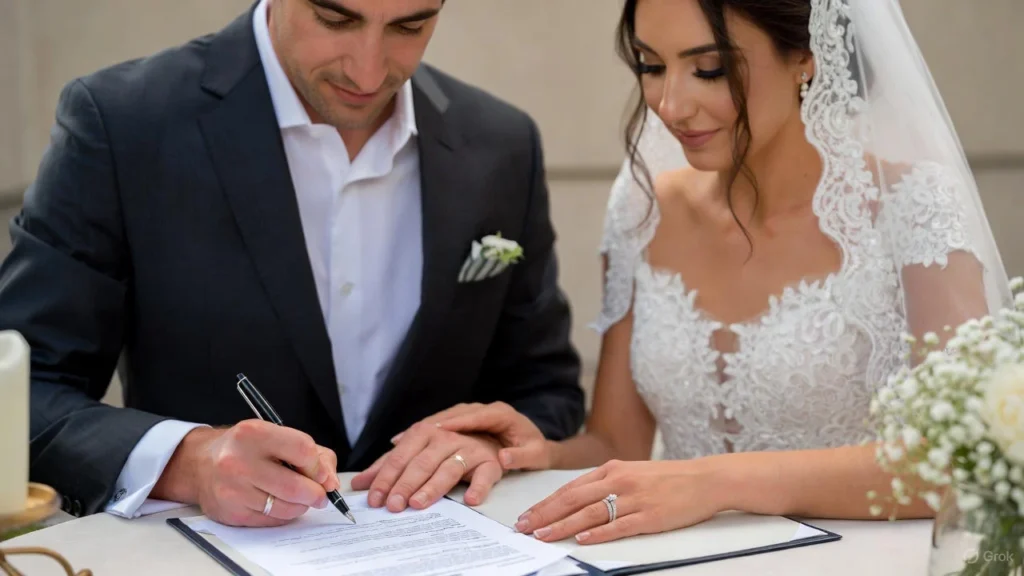
To elope means to get married privately or with minimal guests, usually without the traditional large wedding ceremony.
The word “elope” has expanded in meaning over the years, and today it carries four major interpretations:
1. A Private or Intimate Marriage
Most modern couples use “elope” to describe:
- A quiet marriage with few or no guests
- A destination ceremony
- A simple courthouse or beach wedding
Example:
“We decided to elope on a mountain instead of hosting a big wedding.”
2. A Romantic Escape to Get Married
This is the traditional version—running away secretly to get married without family approval.
3. A Stress-Free, Nontraditional Wedding Style
Many people choose to elope because they prefer simplicity over the pressure of big ceremonies.
4. A Symbol of Personal Choice & Independence
Eloping reflects emotional autonomy—choosing love over expectations.
Key Point:
Today, eloping does not mean “running away” only. It simply means choosing a private, meaningful way to get married.
Origins & History
The term “elope” has a surprisingly dramatic history.
Early Meaning: Running Away Secretly
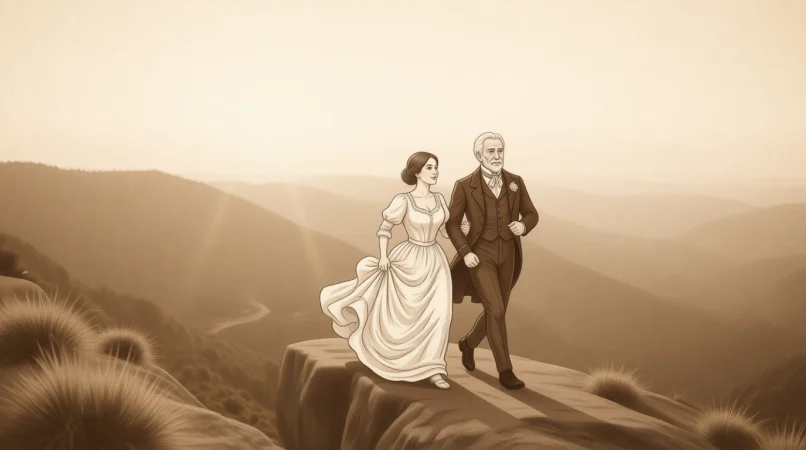
In the 1600s–1800s, “elope” meant:
- A woman running away with a lover
- A secret marriage without family consent
- Escaping social rules and expectations
Early literature often used the word in scandalous or rebellious contexts.
Shift During the 1900s
The definition became more romantic than rebellious. Couples used elopement to avoid:
- Parental pressure
- Financial constraints
- Social judgment
- Arranged marriages
Famous elopement destinations emerged—Las Vegas, Reno, Niagara Falls.
Modern Reclamation (2000s–Present)
Today, “elope” has transformed into a positive, empowering choice.
The term now aligns with:
- Minimalist weddings
- Destination elopements
- Micro weddings
- Personal vows
- Private celebrations
Modern couples elope to prioritize emotion, intimacy, and personal meaning.
Usage in Different Contexts
1. Everyday Conversations
People use “elope” to talk about:
- Wedding plans
- Avoiding stress
- Choosing privacy over spectacle
Example:
“We’re thinking of eloping instead of hosting 500 guests.”
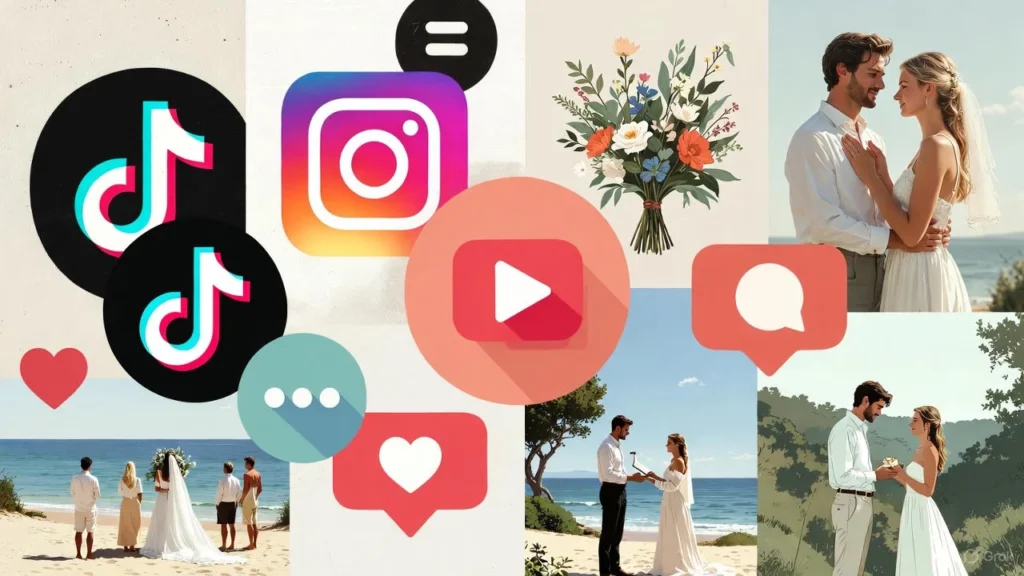
2. Social Media (TikTok, Instagram, YouTube)
Elopement content is trending across platforms:
- “Why we eloped” vlogs
- Destination elopements (Bali, Iceland, Paris)
- Minimalist wedding trends
- Emotional vow videos
Creators share elopement stories as a form of romantic authenticity.
3. Professional Fields
In wedding planning, “elopement packages” are extremely popular:
- Photographers offer mini-sessions
- Planners create intimate setups
- Venues offer small private locations
In psychology or relationship counseling, “elope” may appear when discussing:
- Autonomy
- Relationship choices
- Family pressure
4. Pop Culture
Movies, dramas, and novels use elopement as a dramatic or romantic plot twist:
- Lovers escaping strict families
- Two characters choosing love over tradition
- Comedy scenes with surprise weddings
Eloping is often portrayed as spontaneous, emotional, and deeply romantic.
Common Misunderstandings & Clarifications
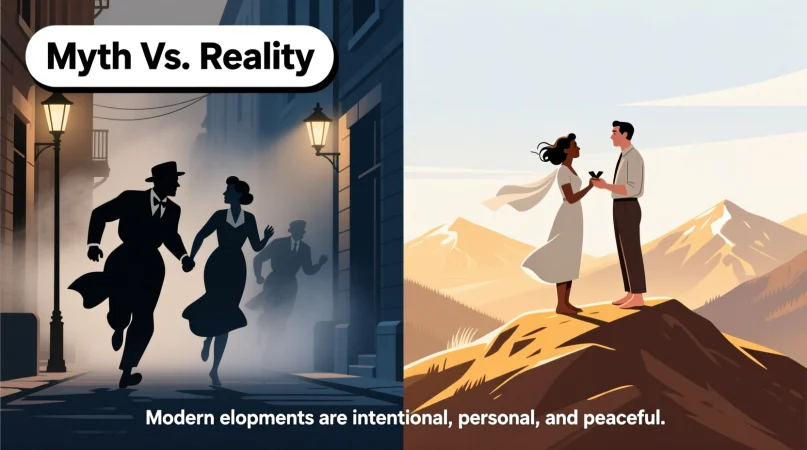
❌ Misconception 1: Elope means running away secretly.
✔️ Modern eloping doesn’t require secrecy.
❌ Misconception 2: It’s only for rebellious couples.
✔️ Many professional and mature couples choose private, meaningful ceremonies.
❌ Misconception 3: Eloping is cheap or low-quality.
✔️ Many elopements are beautifully planned, emotional, and luxurious.
❌ Misconception 4: No one else can attend.
✔️ Modern elopements may include 2–10 guests.
❌ Misconception 5: It’s disrespectful to families.
✔️ Many families support intimate weddings today.
❌ Misconception 6: Eloping equals relationship problems.
✔️ It usually means couples prefer privacy or simplicity—not issues.
Alternatives & Synonyms
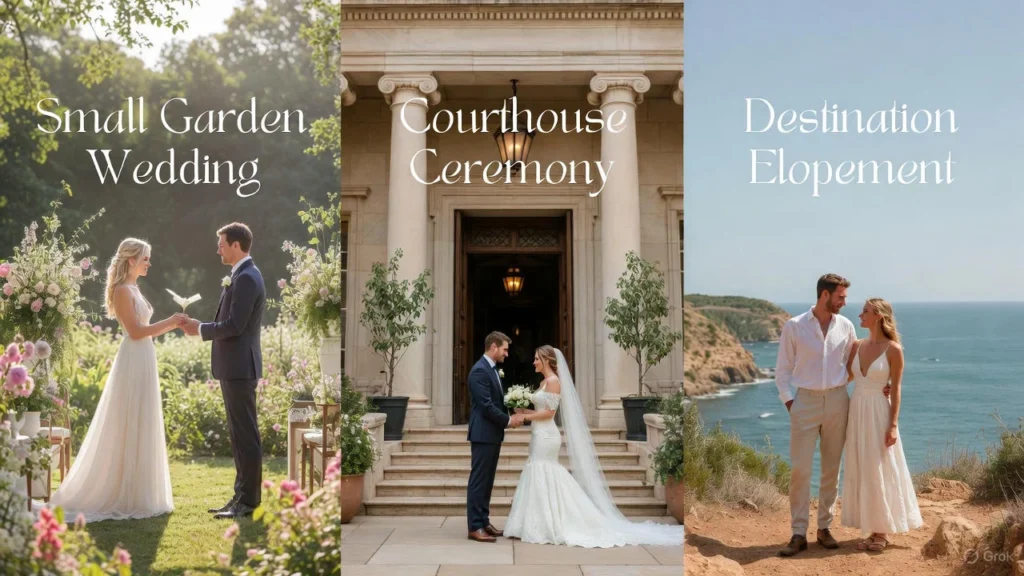
Here are related terms that convey similar ideas based on context:
1. Micro Wedding
A tiny, meaningful ceremony with 10–30 guests.
2. Intimate Wedding
Small, personal, emotion-focused celebration.
3. Courthouse Wedding
A legal ceremony in a government office.
4. Destination Elopement
Travel + wedding with minimal guests.
5. Civil Ceremony
A nonreligious marriage performed legally.
6. Private Marriage Ceremony
The closest synonym to “elope” in modern usage.
Frequently Asked Questions
1. What does elope mean in simple words?
It means getting married privately without a big ceremony.
2. Does elope mean running away?
Historically yes, but today it usually means choosing a small or private wedding.
3. Is eloping legal?
Yes—an elopement is a legal marriage as long as the couple completes legal paperwork.
4. Does eloping mean no guests?
Not necessarily. Some elopements include a few close friends or family.
5. Why do people elope today?
To avoid stress, save money, have privacy, or enjoy a meaningful experience.
6. Is eloping selfish?
No. Many couples choose it because they want a personal, emotion-focused ceremony.
7. What do you call a small romantic wedding?
A micro wedding, intimate wedding, or elopement.
Conclusion
Eloping has transformed from a dramatic escape into a deeply personal and meaningful way to get married.
Today, it reflects intention, emotional authenticity, and the freedom to create a wedding that feels true to the couple—whether on a beach, in a courthouse, on a mountain, or in a quiet garden.
Understanding the modern meaning of “elope” helps avoid outdated assumptions and encourages respectful conversations about relationships and wedding choices. It also highlights how language evolves as culture and values change.
If someone elopes to reduce stress, avoid financial pressure, or simply create a private moment centered on love, the choice is valid and increasingly celebrated. In a world filled with expectations, eloping represents a refreshing shift toward simplicity, intimacy, and genuine connection.