


Halal is an Arabic word that literally means “permissible” or “lawful.”
In Islamic culture, it primarily refers to foods, drinks, and actions that are allowed under Islamic law, but it also extends to general lifestyle practices.
Understanding what halal means in food is crucial for anyone navigating restaurants, grocery stores, or social media discussions about diet and culture. People often search what does halal mean in Islam, what does halal mean in Arabic, or what does eating halal mean to ensure they follow dietary laws correctly.
In today’s world, halal has relevance beyond religion. You’ll see it mentioned in casual texts, TikTok videos, Instagram captions, gaming communities, and even professional settings where dietary restrictions are respected.
This guide breaks down halal meaning, background, contexts, misconceptions, and practical tips for everyday use.
Definition & Meaning

At its core, halal mean refers to anything that is permissible according to Islamic law (Shariah). The word itself is Arabic and covers a broad range of acceptable actions, including diet, financial transactions, behavior, and daily practices.
In food, halal means the product is free from forbidden items (haram), such as pork or improperly slaughtered animals. For example:
- “This chicken is zabiha halal, so it’s prepared according to Islamic guidelines.”
- “I always check if meat is certified halal before buying.”
Dialogue Example:
- Friend 1: “Is this burger halal?”
- Friend 2: “Yes, it’s certified halal. No pork or alcohol used.”
Halal is not limited to food. Clothing, cosmetics, finance (halal investments), and ethical behavior can also fall under halal principles.
Background & History
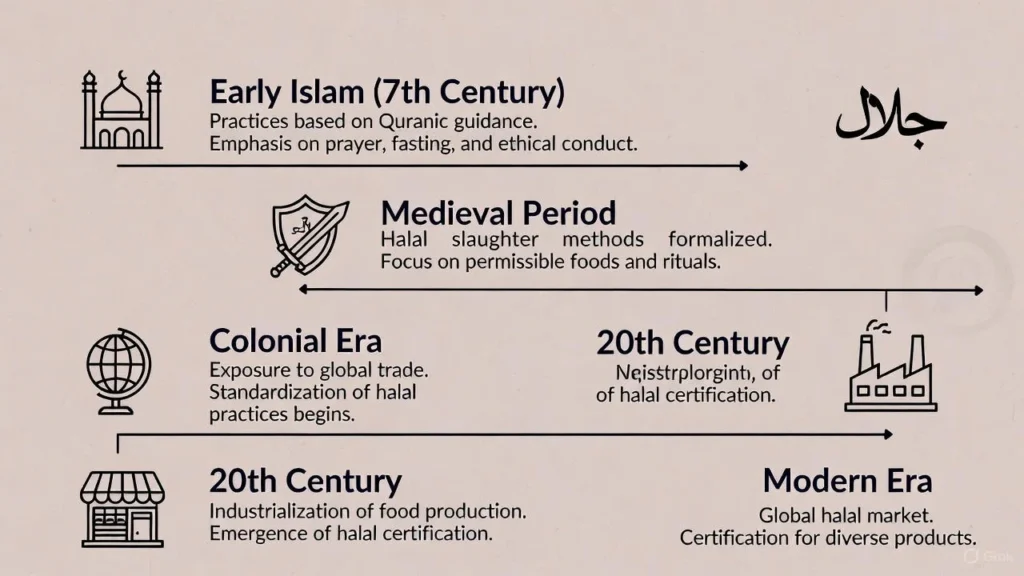
The concept of halal originates from Islamic teachings found in the Quran and Hadith. It contrasts with haram, which denotes what is forbidden. Historically, halal dietary laws were essential for health, hygiene, and spiritual compliance.
Timeline & Evolution:
- Early Islam: Halal practices codified in religious texts.
- 7th century onward: Halal guidelines spread with Islamic culture.
- Modern era: Halal certification systems emerged globally for food and products.
Today, halal is widely recognized across the world, from Middle Eastern countries to Western supermarkets, and increasingly in social media discussions about diet and ethics.
Usage in Various Contexts

1. Texting & Chat:
- “I’m eating out tonight. Is the menu halal?”
- “Check if the restaurant serves halal meat.”
2. Social Media & TikTok:
- Influencers post content with hashtags like #halalrecipes or #halalfood.
- “Trying this halal burger challenge 😋 #halalmean”
3. Gaming Communities:
- In multiplayer games, halal references may pop up in jokes or casual conversation about food breaks.
4. Casual Conversations:
- “I can’t eat here; it’s not halal certified.”
- “Eating halal is important to me for religious reasons.”
Common Misconceptions & Clarifications
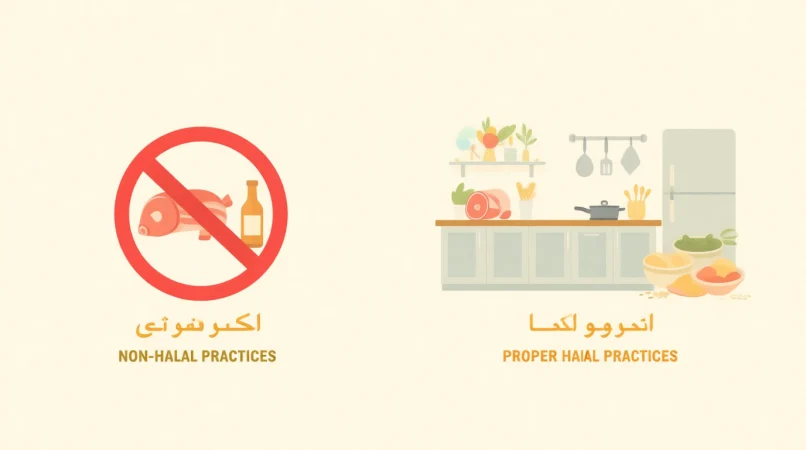
- Myth 1: Halal only means “no pork.”
Truth: Halal also includes proper slaughter, no alcohol, and ethical treatment of animals. - Myth 2: Halal is the same as kosher.
Truth: Kosher and halal have similarities but follow different religious laws. - Myth 3: Halal food is always spicy or bizarre.
Truth: Halal refers to preparation and permissibility, not flavor.
Similar Terms & Alternatives
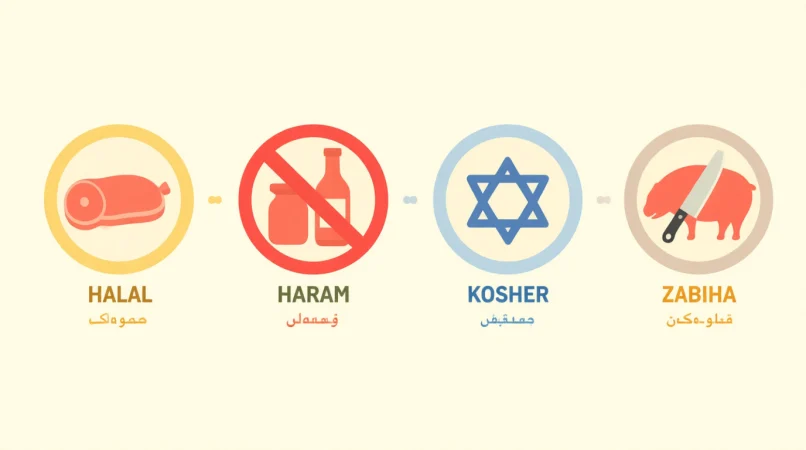
| Term | Meaning | Context |
|---|---|---|
| Halal | Permissible according to Islam | Food, lifestyle, finance |
| Haram | Forbidden | Food, actions |
| Kosher | Permissible under Jewish law | Food |
| Zabiha | Properly slaughtered halal meat | Food |
Alternatives in casual language: “lawful,” “permissible,” “approved.”
How to Respond to This Term
Casual: “Oh, that’s halal? Cool!”
Funny: “Finally, food I can eat without guilt 😆”
Professional: “Please confirm if this is halal certified.”
Privacy-conscious: “I follow dietary restrictions, thanks for checking.”
Regional or Cultural Differences
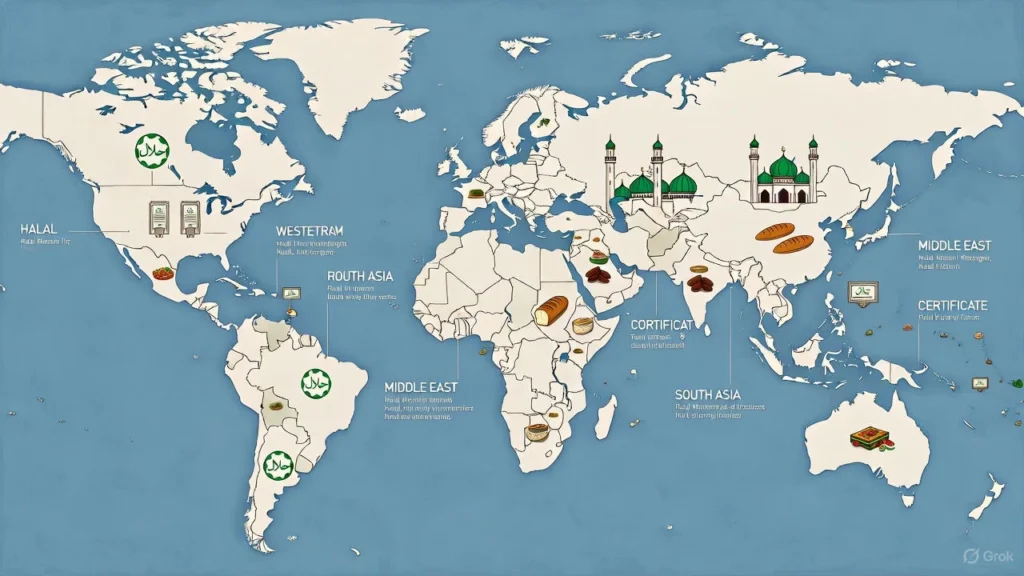
Halal practices vary slightly depending on region:
- Middle East: Strict compliance with Shariah.
- South Asia: Local customs integrated.
- Western countries: Halal certification ensures compliance in diverse communities.
Slang and casual usage also vary: #halalfoodtrend on TikTok is global, while traditional usage remains religious.
Comparison with Similar Terms
| Term | Religious Basis | Food Restriction | Usage Context |
|---|---|---|---|
| Halal | Islamic | Pork, alcohol | Food, lifestyle |
| Haram | Islamic | Forbidden | Prohibited actions |
| Kosher | Jewish | Certain meats | Food |
| Zabiha | Islamic | Proper slaughter | Meat only |
Usage in Online Communities & Dating Apps
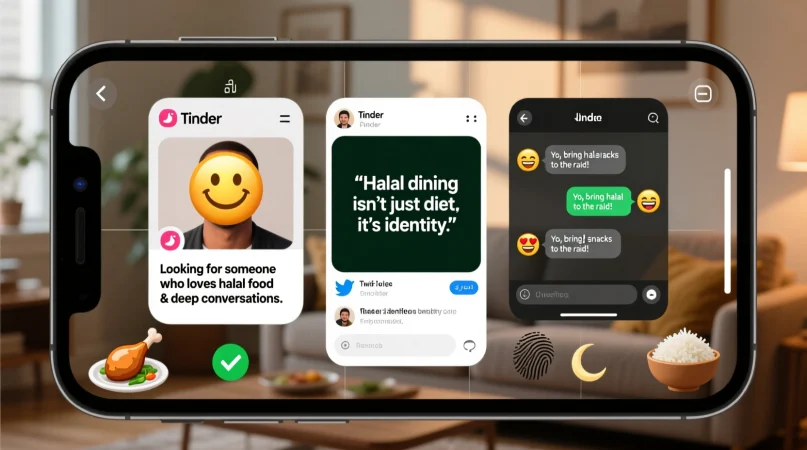
- On Tinder, people may mention halal diets in bios.
- In Twitter threads, halal recipes trend.
- Gaming chats may joke about halal snacks during streams.
Tip: Respect cultural context when responding.
Hidden or Offensive Meanings
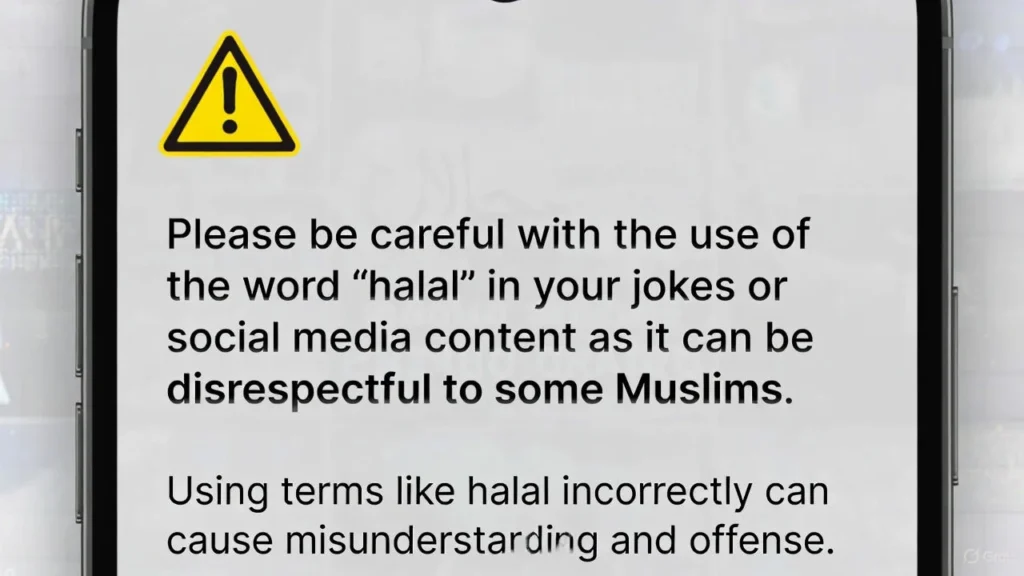
- Halal itself is not offensive, but misuse can offend.
- Tone matters: joking about halal in serious contexts may upset religious followers.
Suitability for Professional Communication

- Use professionally: “Please confirm if meals are halal certified.”
- Avoid casual jokes in formal emails.
- Alternative professional phrasing: “compliant with Islamic dietary laws.”
FAQs
- What does halal mean?
Permissible under Islamic law. - What does halal mean in food?
Food prepared without pork, alcohol, and according to Shariah slaughter rules. - Does halal mean kosher?
No, they are different religious dietary laws. - What does eating halal mean?
Consuming food that is permissible according to Islamic law. - What is zabiha halal?
Halal meat slaughtered according to Islamic rules.
Conclusion
Halal mean is a versatile term with both religious and cultural significance.
It primarily applies to food and dietary laws, it extends to lifestyle, finance, and behavior. Understanding what halal means, especially in Islam, in food, and daily conversation, helps navigate cultural practices respectfully.
If you encounter it on TikTok, Instagram, or professional settings, knowing what halal means in Arabic, Islam, and casual usage ensures you respond appropriately. Always consider context and tone, particularly online, in gaming communities, or dating apps.
Halal is more than a word; it’s a cultural practice reflecting values, ethics, and lifestyle. By understanding it fully, you can engage respectfully, enjoy halal food safely, and participate in global conversations with confidence.