

Traveling is a dream for many people, but money often feels like a big problem. You may want to explore new places, meet new people, and enjoy new food, yet worry about spending too much. The good news is that travel does not have to be expensive. With smart planning and simple choices, anyone can plan a budget-friendly trip. You do not need luxury hotels or costly flights to enjoy a great journey. This guide will help you learn how to travel wisely, save money, and still have a fun and memorable experience, even if you are a beginner.
Choose the Right Destination and Time
The first step in planning a budget-friendly trip is choosing the right place and time. Some destinations are naturally cheaper than others. Big tourist cities often cost more, while smaller towns or less popular places are usually more affordable.
Traveling during the off-season can save a lot of money. Off-season means the time when fewer tourists visit. During this period, flights, hotels, and activities often cost less. For example, beaches are cheaper in cooler months, and mountain areas are cheaper in warmer months.
Also, be flexible with your travel dates. Flying on weekdays is often cheaper than weekends. Early morning or late-night travel can also cost less. A little flexibility can help you find better deals and reduce your overall expenses.
Plan Your Budget and Track Your Spending
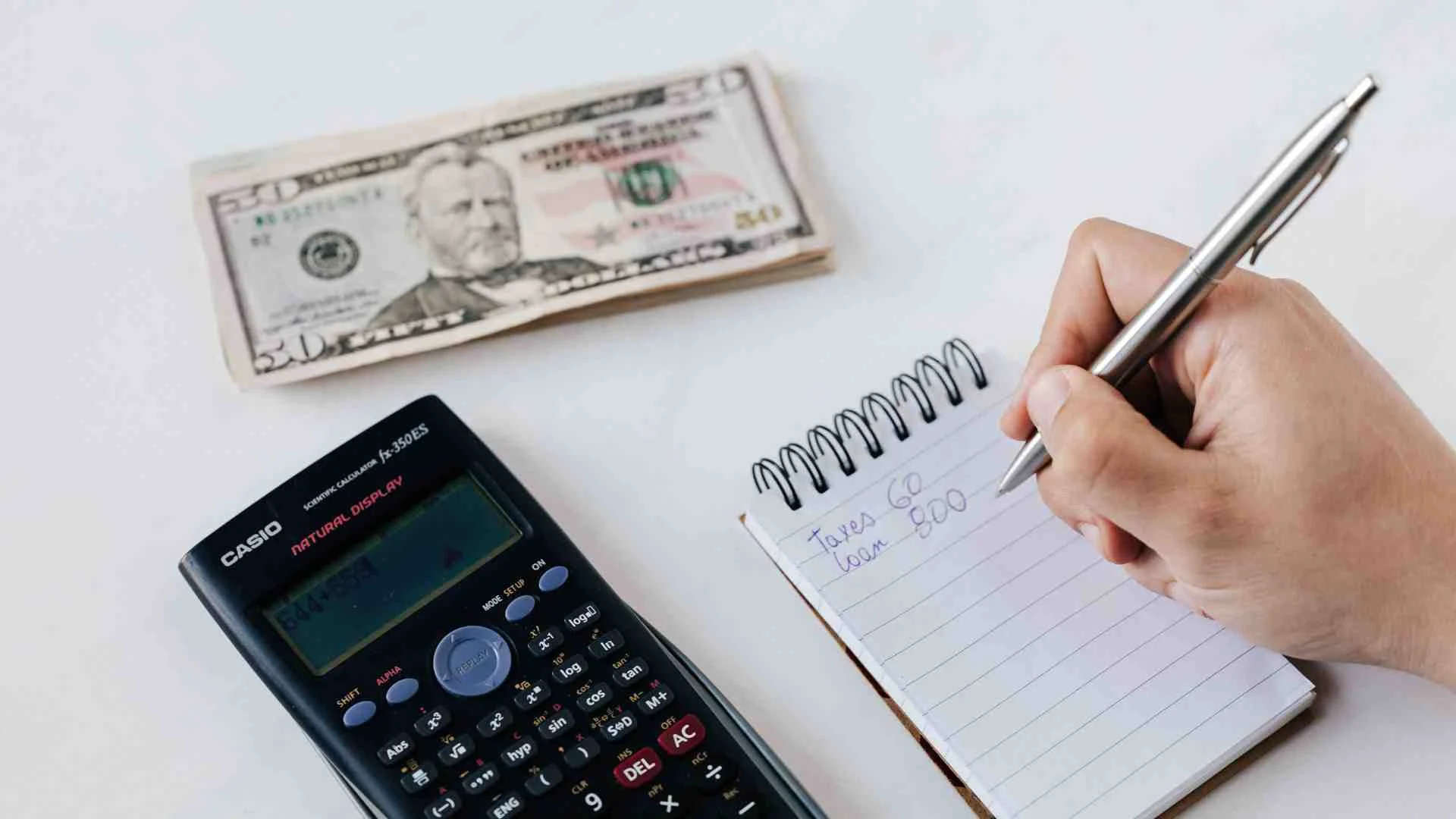
Before booking anything, decide how much money you can spend. This is your travel budget. It should include transport, stay, food, activities, and small extra costs. Knowing your limit helps you avoid stress later.
Write down all expected costs. Even small things like snacks, local transport, or souvenirs add up. When you plan in advance, you can control where your money goes.
During the trip, keep track of your spending. You can write it in a notebook or use a simple app. This helps you stay within your budget and avoid surprises. Budget planning does not mean cutting all fun. It just means spending wisely and with purpose.
Save Money on Transport
Transport often takes a big part of the travel budget, but there are many ways to save money here. When booking flights, compare prices on different websites. Booking early can help you get cheaper tickets.
If flights are too expensive, consider buses or trains. They are often cheaper and can be a fun way to see the country. For short distances, local buses or shared rides are good options.
Once you reach your destination, avoid taxis when possible. Use public transport like buses or trains. Walking is even better. It saves money and lets you explore the place closely. Renting bikes is also a cheap and healthy choice in many cities.
Find Affordable Places to Stay
You do not need an expensive hotel to enjoy your trip. There are many budget-friendly places to stay. Guest houses, hostels, and small local hotels are often much cheaper and very comfortable.
You can also look for homestays, where you stay with local families. This is usually affordable and gives you a chance to learn about local culture. Some travelers choose shared rooms to save even more money.
If you are traveling with friends or family, renting a small apartment can be cheaper than booking multiple hotel rooms. Always read reviews before booking to make sure the place is safe and clean.
Eat Smart and Enjoy Local Food
Food is one of the best parts of travel, but it can also cost a lot if you are not careful. Eating at fancy restaurants every day is expensive. Instead, try local food places where residents eat. These meals are often cheaper and more tasty.
Street food can be a great option. It is usually fresh, filling, and low-cost. Just make sure the place looks clean and busy. Buying snacks from local shops instead of tourist areas also helps save money.
If your stay has a kitchen, you can cook some meals yourself. Buying groceries and making simple food can reduce costs a lot. Even cooking one meal a day can make a big difference in your budget.
Plan Activities That Cost Little or Nothing
Many people think fun activities are expensive, but this is not always true. Many destinations offer free or low-cost things to do. Walking tours, public parks, beaches, and local markets are often free and enjoyable.
Museums and attractions sometimes have free days or lower prices on certain days. Check this before you go. Nature activities like hiking, swimming, or sightseeing cost little and create great memories.
You do not need to do everything. Choose a few activities that really interest you. Quality is better than quantity. Enjoying simple moments often makes a trip more special.
Pack Smart to Avoid Extra Costs
Packing wisely can save money during your trip. Bring only what you need. Overpacking can lead to extra baggage fees, especially when flying.
Carry basic items like a reusable water bottle, snacks, and personal care products. This helps avoid buying expensive items later. Comfortable shoes are very important, as walking saves transport costs.
Check the weather of your destination and pack suitable clothes. This prevents the need to buy extra clothes. A small backpack for daily use is also helpful and practical.
Use Technology to Save Money
Technology can be your best travel helper. Many free apps help with maps, transport, and budget tracking. Download maps so you can use them without internet.
Look for free travel guides and blogs. They offer useful tips and local advice. Social media groups and travel forums also share budget tips and hidden places.
Online booking platforms often give discounts and deals. Sign up for alerts to know when prices drop. Using technology wisely makes travel easier and cheaper.
Be Careful With Money and Safety
Budget travel does not mean taking risks. Always keep your money safe. Do not carry all your cash in one place. Use small amounts and keep the rest in a secure spot.
Avoid tourist scams by staying aware. Ask locals for advice if unsure. Trust your instincts and avoid risky areas, especially at night.
Travel insurance may seem like an extra cost, but it can save you a lot in emergencies. It gives peace of mind and protects you from unexpected problems.
Conclusion
Planning a budget-friendly trip is all about smart choices and simple planning. You do not need a lot of money to travel and enjoy new places. By choosing the right destination, planning your budget, saving on transport and stay, eating smart, and enjoying simple activities, you can travel without stress. Budget travel allows you to explore more, learn more, and create beautiful memories. With the right mindset and preparation, anyone can enjoy an amazing trip without spending too much.