


Imagine this: You walk into your bathroom, ready for a normal day, and… your toilet is clogged. Panic sets in. Water’s rising, and you have no idea what to do. If you’ve ever faced this nightmare, you’re not alone. Whether you’re a homeowner, renter, or DIY enthusiast, knowing exactly how to unclog a toilet can save you from stress, mess, and unnecessary plumber bills.
In this guide, I’ll walk you step by step, using simple methods, natural remedies, and professional tips, so you can tackle any toilet clog quickly and safely. By the end, you’ll not only know how to fix a clogged toilet but also how to prevent it from happening again. Let’s dive in and make clogged toilets a thing of the past!
Why Toilets Get Clogged
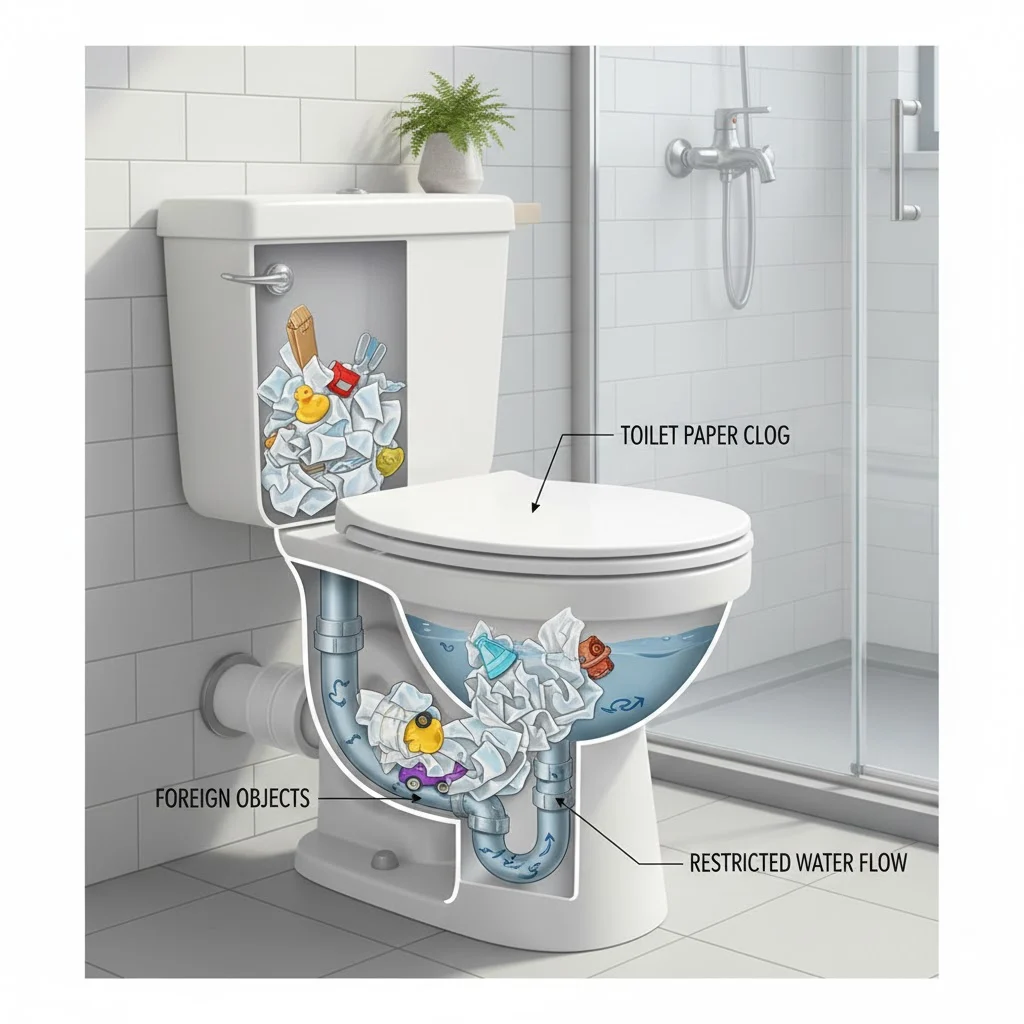
Understanding the cause of a clog helps you pick the most effective method to fix it. Common reasons include:
- Excessive Toilet Paper – Using too much toilet paper in a single flush is the most common cause of blockages. Modern toilets are more water-efficient and sometimes struggle with large amounts of paper.
- Foreign Objects – Kids’ toys, hygiene products, or accidentally flushed items like wipes can block pipes. Even items labeled “flushable” can cause clogs over time.
- Hard Water Deposits – Mineral buildup in pipes can reduce water flow, making even normal use susceptible to clogs.
- Old or Narrow Pipes – Older homes may have smaller-diameter pipes or plumbing that isn’t compatible with modern toilets.
- Septic Tank Issues – For homes with septic systems, a full tank or slow drainage can mimic a clogged toilet.
Understanding the cause is the first step to choosing the right solution.
Tools and Materials You’ll Need
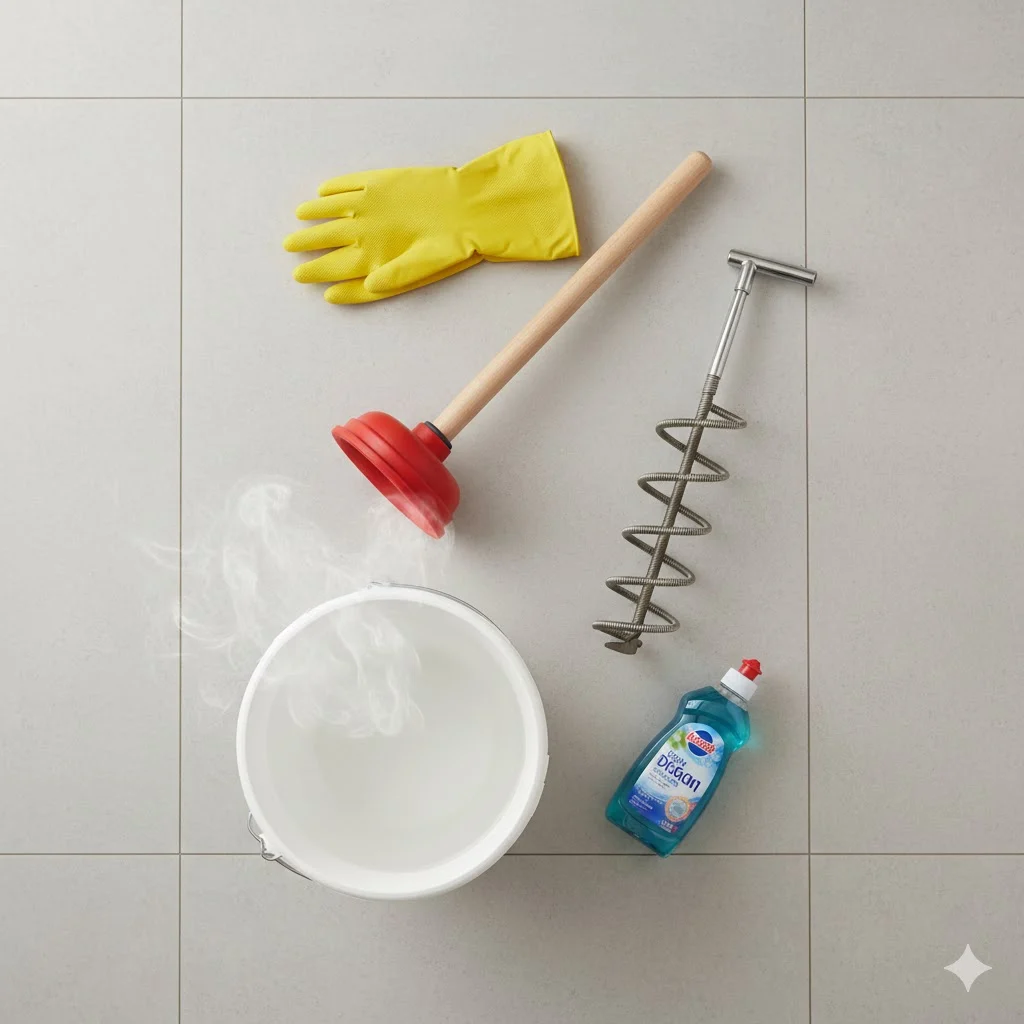
Before tackling a clogged toilet, make sure you have the following:
| Tool / Material | Purpose |
|---|---|
| Plunger (flange type) | Generates suction to remove blockages |
| Toilet auger (snake) | Reaches deep clogs unreachable by a plunger |
| Rubber gloves | Protects hands from bacteria and germs |
| Bucket | Helps remove excess water if needed |
| Dish soap | Lubricates the blockage and helps break it down |
| Hot water | Helps dissolve grease or soften paper-based clogs |
| Towels or rags | For cleaning spills and splashes |
Having these ready saves time and ensures safety during the unclogging process.
Step 1: How to Unclog a Toilet Using a Plunger
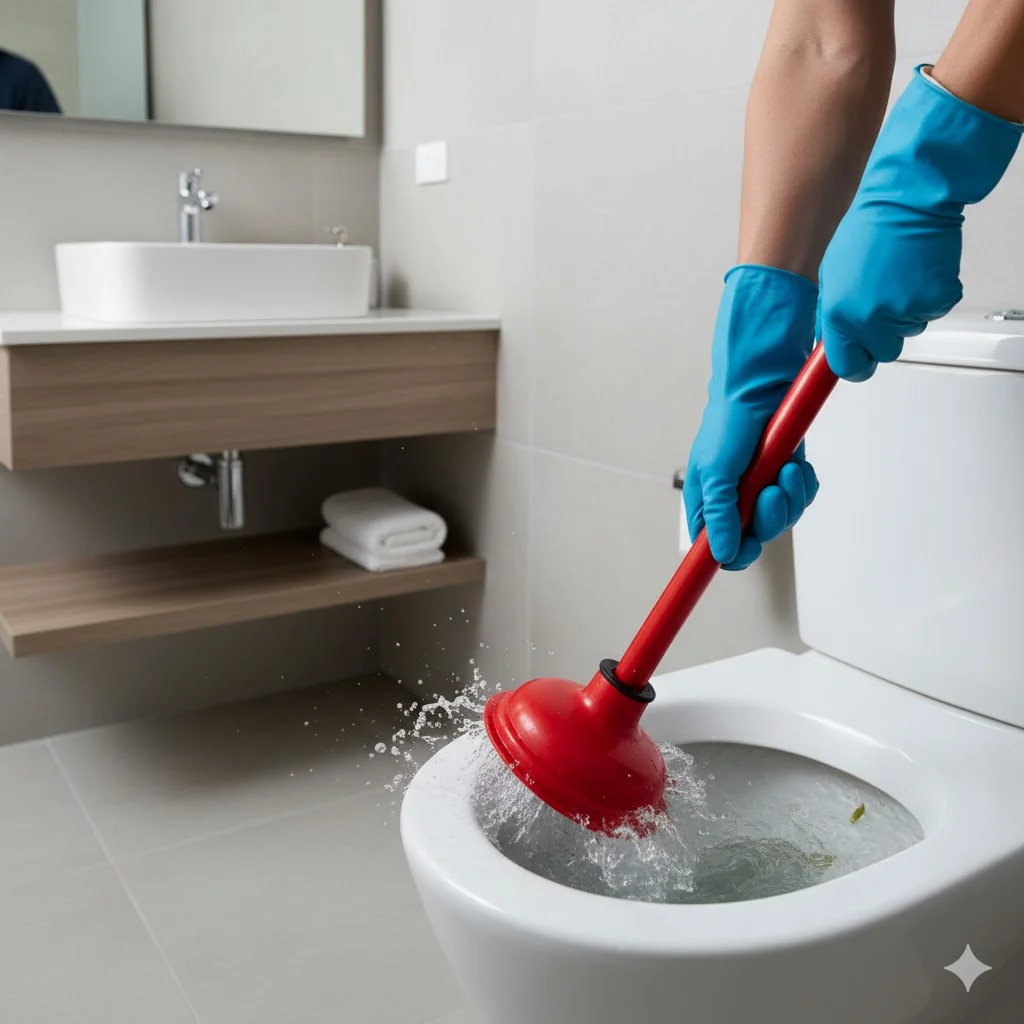
The plunger is often the first and most effective tool for minor to moderate clogs.
Step-by-Step:
- Put on rubber gloves.
- Ensure there’s enough water in the toilet bowl to cover the plunger’s rubber cup. If not, add water.
- Position the plunger over the drain, making a tight seal.
- Start with slow plunges to avoid splashing, then move to vigorous up-and-down motions for 15–20 seconds.
- Pull the plunger away and check if the water drains. Repeat if necessary.
Pro Tips:
- Keep the plunger submerged to create maximum suction.
- Avoid excessive force that might crack the toilet bowl.
- If water begins to rise dangerously, pause and remove some water with a bucket before continuing.
Step 2: Natural Methods Using Dish Soap and Hot Water
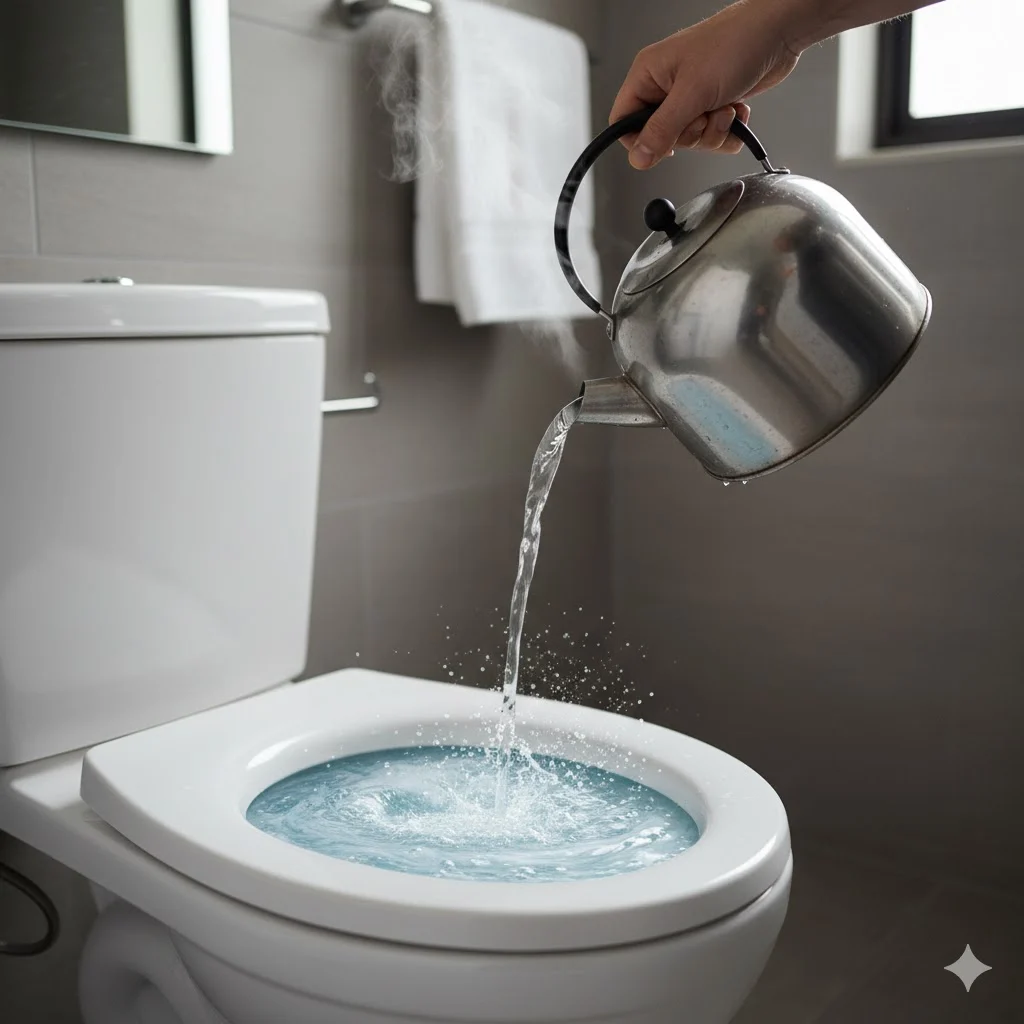
For clogs caused by grease, paper, or minor blockages, a natural approach works well:
Step-by-Step:
- Pour 1–2 cups of dish soap into the toilet bowl.
- Heat 1–2 liters of water to just below boiling. Never pour boiling water directly, as it may crack porcelain.
- Pour the hot water from waist height to create pressure in the trap.
- Wait 10–20 minutes to let the soap lubricate the blockage.
- Try flushing gently. Repeat if needed.
Extra Tips:
- For thicker blockages, leave the soap and hot water overnight.
- Combining with a plunger after waiting can improve results.
- This method is safe for all plumbing types and septic systems.
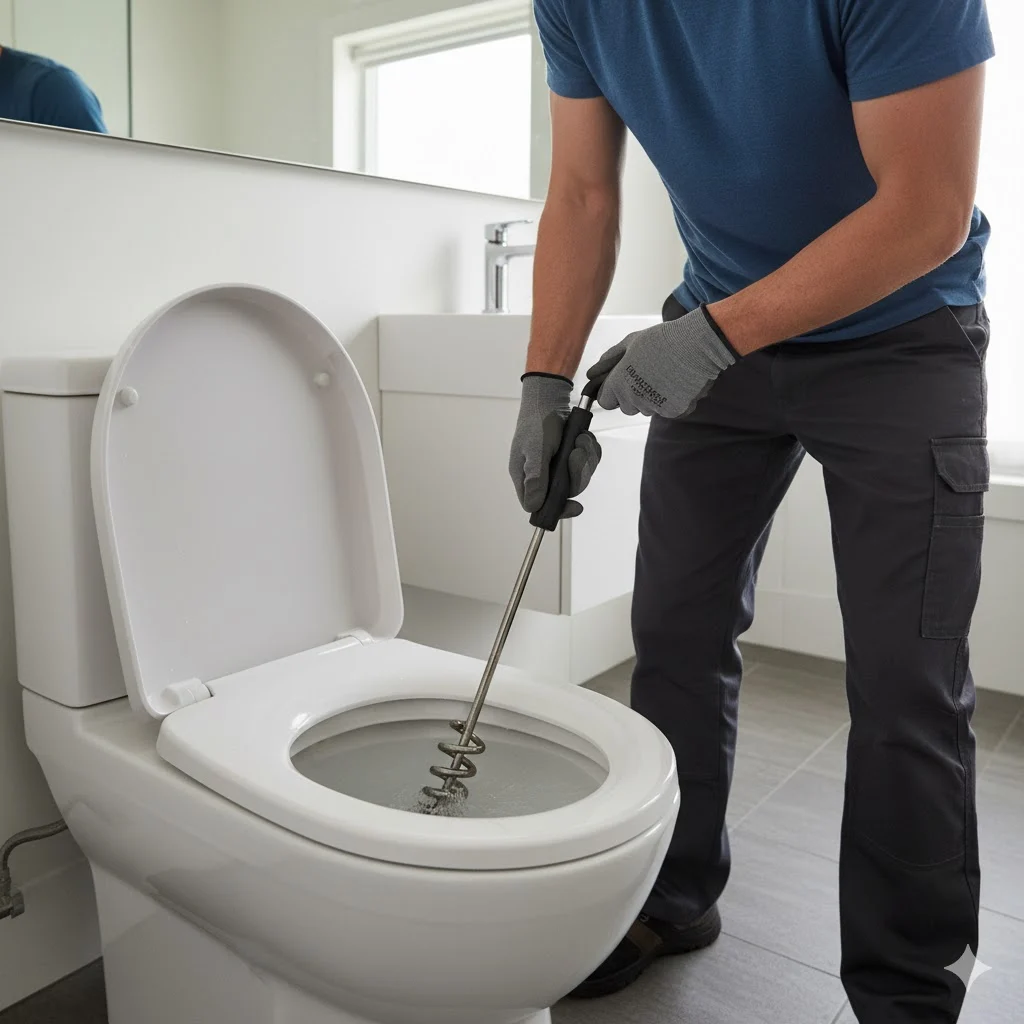
Step 3: Using a Toilet Auger for Stubborn Blockages
When a plunger or natural method fails, a toilet auger (also called a snake) is necessary:
Step-by-Step:
- Insert the auger cable into the drain carefully to avoid scratching the bowl.
- Turn the handle clockwise while gently pushing the cable forward.
- When resistance is felt, rotate to break up the blockage.
- Slowly retract the auger. Flush to confirm the clog is cleared.
Pro Tips:
- Avoid forcing the cable if resistance is extreme; this may damage the toilet or plumbing.
- Clean the auger thoroughly after use to prevent bacterial contamination.
- Augers are ideal for objects stuck deep in the pipe, like toys, wipes, or small hygiene products.
Step 4: Using Chemical Drain Cleaners (Last Resort)
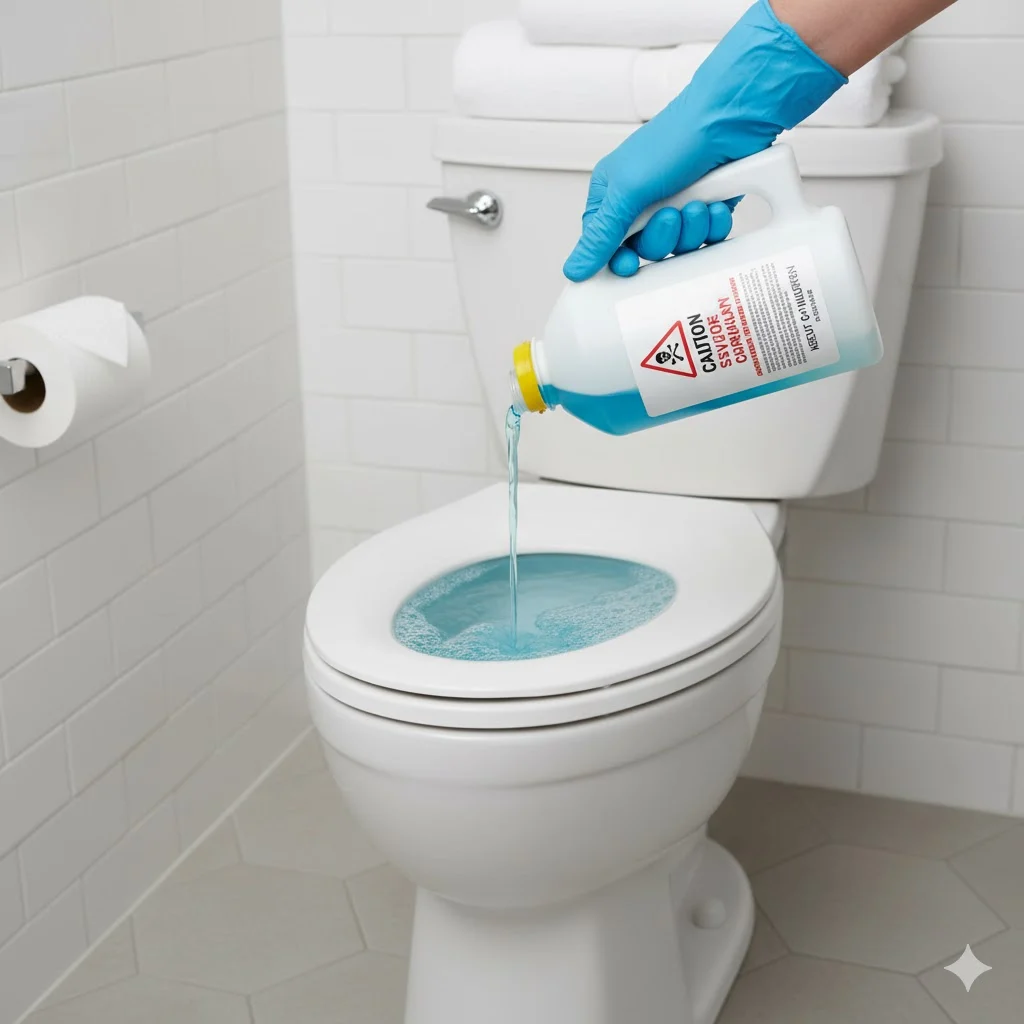
Chemical cleaners can dissolve toilet clogs, but they should be your last option:
Instructions:
- Choose a toilet-specific chemical cleaner.
- Follow the manufacturer’s instructions carefully.
- Avoid mixing with other chemicals.
- Wait for the recommended time, then flush.
Cautions:
- Overuse can corrode pipes, especially older PVC or metal plumbing.
- Chemicals can be harmful to septic systems and the environment.
- Always wear gloves and ensure proper ventilation.
Step 5: When to Call a Plumber
Sometimes, even with the best DIY methods, a clog may persist. Call a professional if:
- The toilet frequently clogs despite proper use.
- Multiple toilets in your home drain slowly (possible main line blockage).
- Foreign objects cannot be removed with an auger.
- You notice foul odors or gurgling sounds.
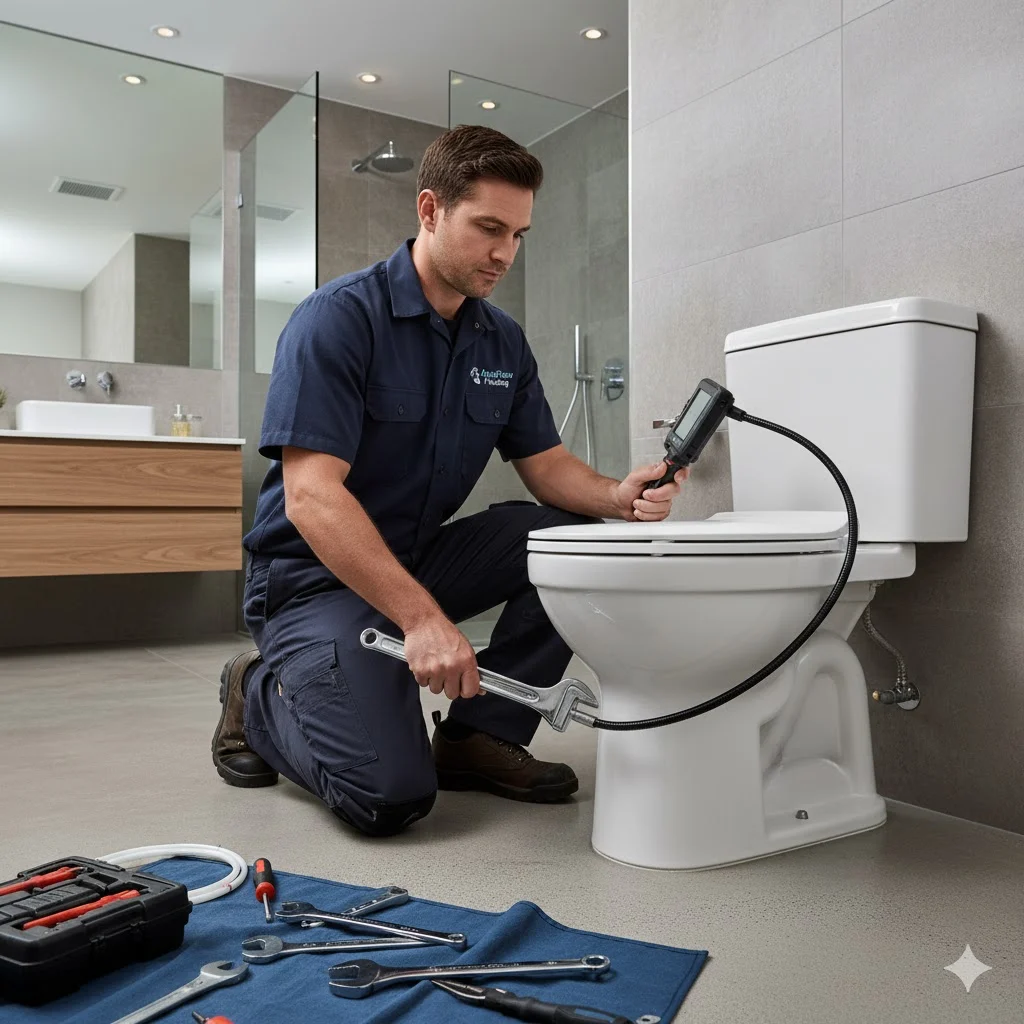
Professional plumbers have specialized tools like hydro-jetting equipment and camera inspections that can resolve tough clogs safely.
Common Mistakes to Avoid
- Flushing inappropriate items – Avoid wipes, feminine hygiene products, paper towels, or small objects.
- Overusing chemicals – Can damage plumbing and the environment.
- Forcing plungers or augers – May crack porcelain or bend pipes.
- Ignoring slow drains – A minor slow drain can turn into a severe blockage if left untreated.
- Skipping gloves and safety measures – Hygiene is important when handling toilets.
Prevention Tips for a Healthy Toilet
| Tip | Explanation |
|---|---|
| Flush only appropriate items | Keep wipes, paper towels, and non-biodegradable items out |
| Moderate toilet paper use | Use small amounts per flush to avoid buildup |
| Regular cleaning | Prevent mineral and grease buildup |
| Check pipes periodically | Older homes benefit from occasional inspections |
| Educate family members | Teach children proper flushing habits |
| Install drain screens | Prevent objects from accidentally falling into the toilet |
Advanced Tips for Persistent Toilet Issues
- Water pressure check: Low water pressure can make flushing less effective. Inspect the tank and valves.
- Pipe inspection: Use a plumber’s camera to identify hidden blockages or root intrusion in older homes.
- Septic maintenance: If using a septic tank, pump it regularly to avoid backups.
- Toilet replacement: Older toilets with low flow may struggle with modern usage; upgrading can prevent frequent clogs.
FAQs About Unclogging Toilets
1. How long does it take to unclog a toilet?
Usually 5–20 minutes, depending on the clog type and method.
2. Can a clogged toilet overflow?
Yes, monitor water levels while attempting to unclog. Remove excess water if needed.
3. Can I use baking soda and vinegar?
Yes, pour 1 cup baking soda followed by 1 cup vinegar, let it fizz for 30 minutes, then flush. Good for minor clogs.
4. What if a toy or object is stuck?
Use a toilet auger or call a plumber for safe removal. Avoid chemical solutions for objects.
5. How often should I maintain my plumbing?
Check drains and toilets every 6–12 months. Septic tanks should be pumped every 3–5 years.
6. Can I prevent clogs naturally?
Yes, flush only toilet paper, moderate usage, and occasionally pour hot water to prevent buildup.
7. Are chemical cleaners safe for septic systems?
Not always; use sparingly and choose septic-safe products.
8. Can repeated plunging damage the toilet?
Only if done excessively with too much force. Use a proper flange plunger.
9. What should I do if multiple toilets are clogged?
This may indicate a main sewer line issue. Call a professional immediately.
10. Is there a way to unclog toilets without any tools?
Hot water and dish soap can work for minor clogs. For deeper or tougher blockages, tools are essential.
Conclusion
Clogged toilets are common but manageable with the right knowledge and tools. Start with basic methods like plungers and natural remedies, progress to toilet augers for stubborn clogs, and use chemical solutions only as a last resort. Prevent future problems by maintaining your plumbing, using toilets responsibly, and educating household members. With these techniques, you’ll save time, money, and stress while keeping your bathroom flowing smoothly.