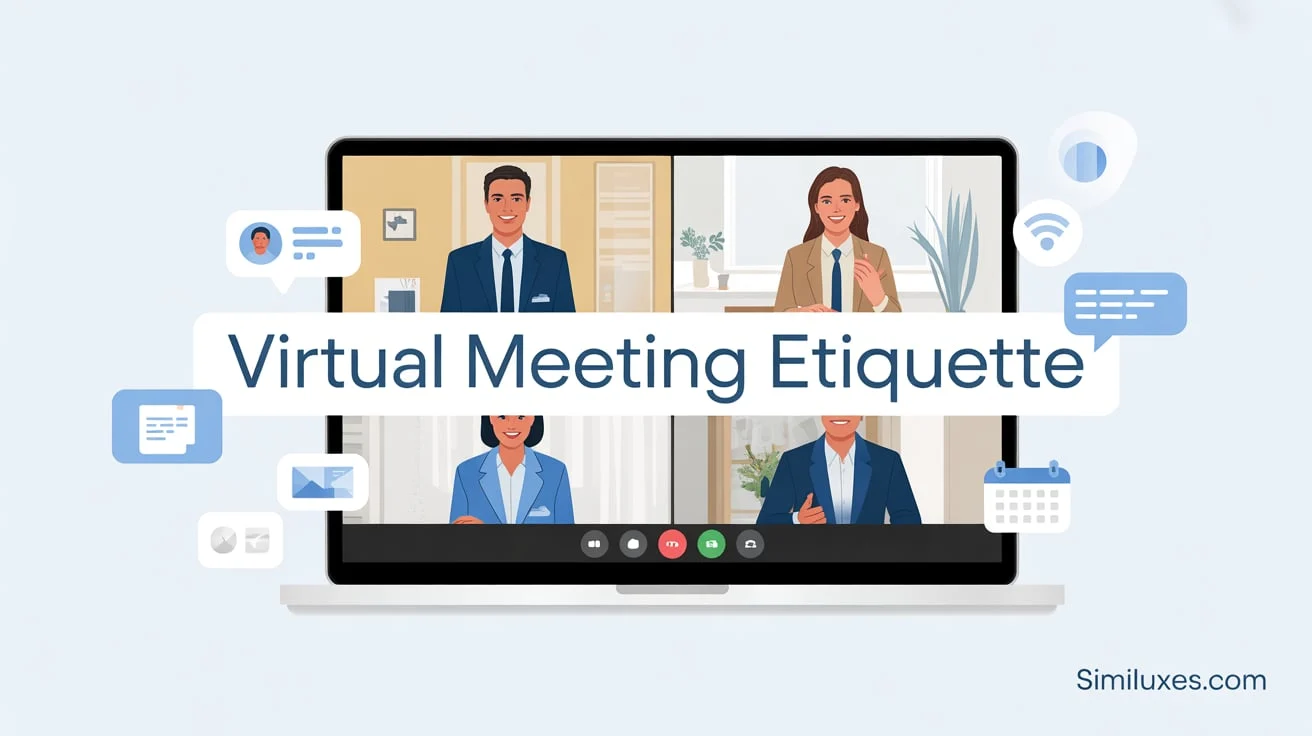

Virtual meetings have become an essential part of modern professional life, shaping how teams collaborate, communicate, and make decisions across locations and time zones.
As remote and hybrid work models continue to grow, the way people conduct themselves in online meetings has a direct impact on productivity, professionalism, and workplace relationships. This is where virtual meeting etiquette plays a critical role.
Virtual meeting etiquette refers to the set of professional behaviors and best practices that guide how individuals participate in online meetings. From joining on time and preparing your technology to communicating clearly and showing respect for others, these etiquette standards help create structured, efficient, and engaging virtual interactions. Without proper etiquette, meetings can quickly become disorganized, distracting, and ineffective.
By understanding and practicing virtual meeting etiquette, professionals can improve communication, build credibility, and contribute more meaningfully to online discussions. This guide will walk you through everything you need to know to navigate virtual meetings with confidence and professionalism.
Understanding Virtual Meeting Etiquette
To participate effectively in online meetings, it’s important to understand what virtual meeting etiquette truly involves and how it differs from traditional, in-person meeting behavior. While the setting may be digital, the expectations for professionalism, respect, and engagement remain just as high if not higher.
At its core, virtual meeting etiquette is a professional communication practice that governs how individuals behave during online meetings. It includes everything from punctuality and preparation to how participants speak, listen, appear on camera, and interact with others using digital tools. Because virtual meetings limit physical presence and non-verbal cues, small actions such as muting your microphone or maintaining eye contact with the camera carry greater significance.
Unlike in-person meetings, virtual meetings require a higher level of self-awareness. Background noise, poor lighting, multitasking, or improper use of chat features can easily disrupt communication. Many people mistakenly assume that being behind a screen allows for more relaxed behavior, but poor virtual meeting etiquette often leads to misunderstandings, reduced credibility, and lost productivity.
Virtual meeting etiquette applies to everyone employees, managers, freelancers, educators, and students alike. If you are leading a discussion or attending as a participant, understanding these etiquette principles helps ensure meetings remain focused, inclusive, and professional. As remote collaboration continues to evolve, mastering virtual meeting etiquette is no longer optional it’s a foundational skill for modern communication.
Why Virtual Meeting Etiquette Is Important
Practicing proper virtual meeting etiquette is essential for creating effective, professional, and productive online interactions. As virtual meetings replace many face-to-face conversations, etiquette becomes the foundation for how individuals are perceived and how well teams function.
First, virtual meeting etiquette directly impacts professionalism and personal branding. Joining meetings on time, dressing appropriately, and staying attentive signal reliability and respect. These behaviors shape first impressions and influence how colleagues, clients, and leaders evaluate your competence and commitment.
Second, strong virtual meeting etiquette improves communication. Online meetings often lack clear non-verbal cues, making interruptions, unclear speech, or background distractions more disruptive than in person. Following etiquette guidelines such as muting when not speaking and allowing others to finish helps ensure messages are delivered and understood accurately.
Additionally, virtual meeting etiquette enhances productivity and time management. Meetings with well-prepared, engaged participants stay focused and achieve their objectives faster. Clear communication reduces repetition, confusion, and unnecessary follow-ups.
Finally, consistent virtual meeting etiquette strengthens collaboration and workplace culture. Respectful behavior fosters trust, encourages participation, and supports inclusivity across remote and hybrid teams. In a digital-first environment, etiquette isn’t just about manners it’s about making virtual collaboration work effectively.
Pre-Meeting Virtual Etiquette: Preparation Stage
Successful virtual meetings begin long before the meeting actually starts. Proper preparation is a key part of virtual meeting etiquette, as it demonstrates professionalism, respect for others’ time, and readiness to contribute.
One of the most important steps is technical readiness. Test your internet connection, microphone, and camera in advance to avoid last-minute disruptions. Ensure your video conferencing software is updated and that you know how to use essential features such as mute, screen sharing, and chat.
Your environment also plays a crucial role in virtual meeting etiquette. Choose a quiet, distraction-free space with good lighting and a neutral or professional background. Position your camera at eye level and avoid strong backlighting that can obscure your face. If you use a virtual background, make sure it is subtle and appropriate for the meeting’s context.
Personal preparation is equally important. Dress professionally based on the meeting’s purpose, review the agenda, and have any necessary documents ready. Joining the meeting on time or a few minutes early sets a positive tone and shows respect for all participants. Proper preparation ensures the meeting starts smoothly and remains productive.
Virtual Meeting Etiquette During the Meeting
How you conduct yourself during an online meeting has a direct impact on its effectiveness. Practicing proper virtual meeting etiquette during the meeting helps maintain focus, encourages participation, and ensures respectful communication among all attendees.
Audio etiquette is one of the most critical elements. Keep your microphone muted when you are not speaking to prevent background noise from disrupting the conversation. When you do speak, talk clearly and concisely, allowing others time to respond. Avoid interrupting and be mindful of delays that can occur in virtual communication.
Camera and body language also matter in virtual settings. When possible, keep your camera on to promote engagement and accountability. Maintain good posture, look toward the camera to simulate eye contact, and use appropriate facial expressions to show attentiveness. Avoid distracting movements, eating, or walking around during the meeting.
Active participation is another key aspect of virtual meeting etiquette. Listen carefully, stay present, and avoid multitasking. Use hand-raise features or visual cues to contribute at appropriate moments. Chat and reaction tools should be used professionally, without side conversations or excessive emojis.
By staying engaged, respectful, and focused, you help create a productive and professional virtual meeting environment for everyone involved.
Screen Sharing and Presentation Etiquette
Screen sharing is a powerful feature in virtual meetings, but it requires careful handling to maintain professionalism. Following proper virtual meeting etiquette during presentations ensures your message is clear and distractions are minimized.
Before sharing your screen, prepare your content in advance. Close unnecessary tabs, applications, and notifications to avoid exposing private or unrelated information. Organize files and presentation materials so transitions are smooth and efficient. This preparation reflects attention to detail and respect for your audience’s time.
When presenting, speak clearly and guide participants through what they are seeing on screen. Avoid scrolling too quickly or jumping between windows, as this can confuse viewers. Use visual cues, such as highlighting key points or pausing briefly, to help participants follow along. If multiple people are presenting, coordinate handoffs in advance to prevent awkward pauses.
Technical issues can happen, even with preparation. If something goes wrong, remain calm and address the issue professionally. Let participants know what’s happening and move forward as efficiently as possible. Practicing thoughtful screen sharing etiquette helps maintain credibility, keeps meetings focused, and ensures presentations support not hinder effective virtual communication.
Virtual Meeting Etiquette for Hosts and Leaders
Hosting a virtual meeting comes with added responsibility. Leaders and facilitators play a crucial role in setting the tone and ensuring that virtual meeting etiquette is followed by all participants.
Effective virtual meetings begin with clear planning. Hosts should define the meeting’s purpose, create a structured agenda, and invite only those who need to attend. Sharing the agenda in advance allows participants to prepare and contributes to more focused discussions. Starting and ending the meeting on time demonstrates respect for everyone’s schedule.
During the meeting, hosts should actively manage the flow of conversation. Encourage balanced participation by inviting quieter attendees to share their thoughts and gently guiding dominant speakers to allow space for others. Address interruptions or technical disruptions professionally to keep the meeting on track.
Inclusivity is another key element of virtual meeting etiquette for leaders. Be mindful of time zones, cultural differences, and accessibility needs. Use clear language, summarize key points, and allow time for questions. By modeling respectful behavior and strong communication, hosts and leaders create an environment where virtual meetings are productive, engaging, and collaborative.
Post-Meeting Virtual Etiquette
Virtual meeting etiquette doesn’t end when the call disconnects. What happens after the meeting is just as important for maintaining professionalism, accountability, and momentum.
A key post-meeting practice is following up on decisions and action items. Sending a concise summary or meeting notes helps reinforce what was discussed and ensures everyone has a shared understanding of next steps. Clearly outline responsibilities, deadlines, and expectations to prevent confusion or delays.
Timely communication is another important aspect of post-meeting virtual meeting etiquette. Respond to follow-up emails or messages promptly, especially if clarification is needed. If you were assigned a task, acknowledge it and begin work within the agreed timeframe. Reliability after the meeting strengthens trust and demonstrates commitment.
Finally, take time to reflect on the meeting itself. Consider what went well and where improvements could be made, If in communication, participation, or structure. For hosts and participants alike, continuous improvement helps virtual meetings become more efficient and engaging over time. Strong post-meeting etiquette ensures that online meetings lead to meaningful outcomes, not just conversations.
Common Virtual Meeting Etiquette Mistakes to Avoid
Even experienced professionals can unintentionally undermine a meeting by overlooking key aspects of virtual meeting etiquette. Being aware of common mistakes helps you avoid distractions and maintain a professional presence.
One frequent mistake is joining meetings late or leaving abruptly without explanation. This disrupts the flow of discussion and can be perceived as disrespectful. Another common issue is multitasking checking emails, typing messages, or working on other tasks while the meeting is in progress. Even if unspoken, disengagement is often noticeable through delayed responses or lack of eye contact.
Technical oversights also affect virtual meeting etiquette. Unmuted microphones, poor camera angles, dim lighting, or cluttered backgrounds can distract other participants. Similarly, speaking over others or failing to use hand-raise and chat features properly can lead to confusion and frustration.
Lastly, unprofessional behavior in chat such as side conversations, excessive emojis, or informal language in formal meetings can reduce credibility. By recognizing and avoiding these mistakes, participants can contribute to smoother, more respectful, and more productive virtual meetings.
Virtual Meeting Etiquette Across Different Contexts
While the core principles of virtual meeting etiquette remain consistent, expectations can vary depending on the type of meeting and the audience involved. Adapting your behavior to different contexts helps ensure effective communication and professionalism.
In corporate and team meetings, virtual meeting etiquette focuses on collaboration and efficiency. Participants should come prepared, contribute thoughtfully, and respect agendas and timelines. Clear communication and active listening are essential for decision-making and teamwork.
Client and sales meetings require an elevated level of professionalism. Proper attire, strong eye contact, and clear presentations help build trust and confidence. Following virtual meeting etiquette in these settings can directly influence business relationships and outcomes.
Remote interviews and online assessments place heavy emphasis on first impressions. Candidates should ensure a polished setup, minimize distractions, and communicate clearly. For interviewers, respectful time management and attentive listening reflect well on the organization.
In online classes and webinars, etiquette supports learning and engagement. Muting microphones, using chat features appropriately, and following participation guidelines help create a structured learning environment. In cross-cultural or global meetings, being mindful of time zones, communication styles, and cultural norms is especially important. Adapting virtual meeting etiquette to each context ensures clarity, respect, and effectiveness.
Conclusion
As virtual communication continues to shape the modern workplace, mastering virtual meeting etiquette has become an essential professional skill. From preparation and participation to follow-up and reflection, every stage of a virtual meeting offers opportunities to demonstrate professionalism, respect, and effective communication.
By understanding and applying virtual meeting etiquette, individuals can reduce distractions, improve collaboration, and make better use of everyone’s time. If you are attending a team check-in, leading a client presentation, or participating in a global meeting, thoughtful behavior helps create a more focused and productive environment.
Strong virtual meeting etiquette is not about rigid rules it’s about being intentional, considerate, and engaged. When consistently practiced, it enhances credibility, strengthens relationships, and supports long-term success in remote and hybrid work settings. As virtual meetings remain a core part of professional life, investing in proper etiquette will continue to pay dividends for individuals and organizations alike.