
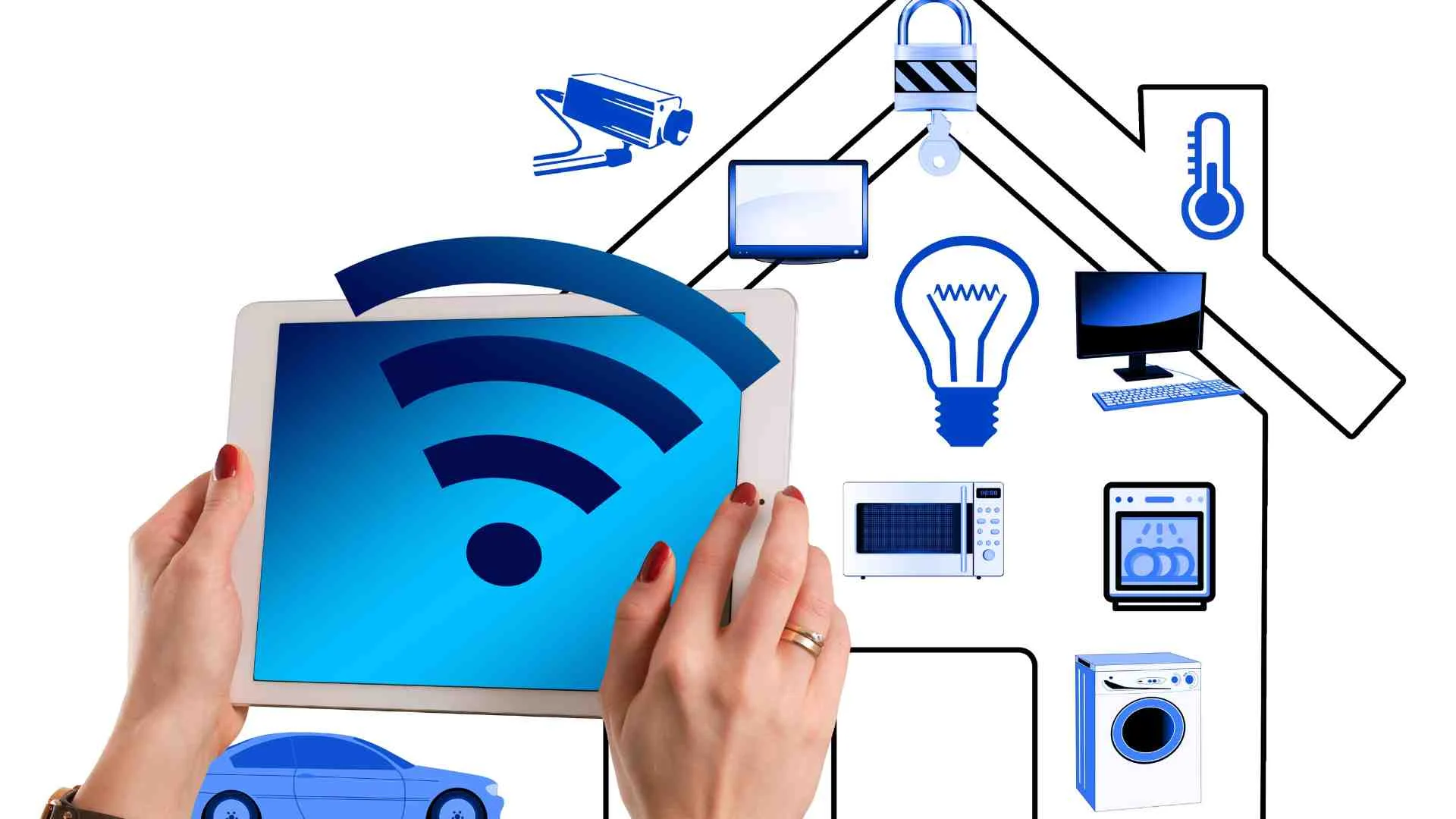

Have you ever wondered how your phone knows the fastest route home or how a smart watch counts your steps? These everyday tools are part of something called the Internet of Things, often shortened to IoT. Even if the name sounds complex, the idea is very simple. It is about common devices connecting to the internet and working together to make life easier. From homes and cars to health and shopping, IoT is slowly becoming part of our daily routine. This article explains what the Internet of Things is, how it works, and why it matters, using clear and easy language.
What Is the Internet of Things?
The Internet of Things means everyday objects that can connect to the internet and share information. These objects are not just computers or phones. They can be things like lights, watches, TVs, cars, or even kitchen tools. When these items are connected, they can send and receive data without much human effort.
For example, a smart light can turn on when you enter a room. A fitness band can count your steps and show them on your phone. These devices collect information and use it to help you. The main idea of IoT is to make normal objects smarter and more helpful.
The Internet of Things does not replace people. Instead, it supports people by saving time and effort. It allows devices to work in the background so daily tasks feel easier and smoother.
How Does the Internet of Things Work?
The Internet of Things works in a very simple way. First, a device collects information. This information can be about movement, time, location, or usage. Then the device sends this information through the internet. After that, the data is used to take action or give results.
For example, a smart thermostat checks the room temperature. If the room is too cold, it sends the data online and adjusts the heat. You do not need to touch it every time. The device learns your needs and responds.
Most IoT devices work with mobile apps. These apps let users see information and control devices from anywhere. You can turn off lights, lock doors, or check cameras using your phone. This makes daily life more comfortable and flexible.
The key idea is connection. When devices connect and share data, they can help people make better choices and enjoy more control.
Common Examples of the Internet of Things
The Internet of Things is already around us, even if we do not notice it. One common example is smart homes. In a smart home, devices like lights, fans, and security cameras are connected. You can control them using your phone or voice.
Another example is health devices. Smart watches track steps, heart rate, and sleep. They help people understand their health better. Some devices even remind users to move or drink water.
Cars are also becoming smarter. Many cars now have internet features. They can show maps, suggest routes, and send alerts about problems. This improves safety and comfort.
Even shopping uses IoT. Some stores use smart systems to manage stock. This helps keep products available and reduces waste. These examples show how IoT is part of daily life in simple and helpful ways.
Why Is the Internet of Things Important?
The Internet of Things is important because it saves time and effort. It allows tasks to happen automatically. People do not need to repeat the same actions again and again. This makes life easier and more relaxed.
IoT also helps improve safety. Smart alarms and cameras protect homes and offices. Health devices help people watch their well-being. Cars with smart systems reduce accidents by giving alerts.
Another reason IoT matters is better use of resources. Smart systems can reduce energy use by turning off devices when not needed. This helps save money and protect the environment.
Overall, IoT supports smarter living. It helps people make better decisions using real-time information.
The Future of the Internet of Things
The future of the Internet of Things looks bright and exciting. More devices are becoming smart every year. Homes, schools, hospitals, and cities are slowly adopting IoT systems.
In the future, cities may use smart traffic lights to reduce jams. Homes may adjust energy use automatically. Health care may improve with devices that monitor patients from home.
Even farming can benefit. Smart tools can check soil and water levels. This helps farmers grow better crops with less waste.
As technology grows, IoT will become more common and easier to use. The goal is not complexity but comfort and efficiency. The Internet of Things aims to make life simpler, safer, and more connected.
Conclusion
The Internet of Things may sound like a big idea, but it is actually very simple. It connects everyday objects to the internet so they can share information and help people. From smart homes and health tools to cars and cities, IoT is already part of daily life. It saves time, improves safety, and makes tasks easier. As technology continues to grow, the Internet of Things will become even more useful. Understanding it today helps us feel more confident and ready for the future.