

Every December, the word “Noel” seems to appear everywhere — in songs, cards, and even baby names.
You’ve probably sung “The First Noel” or seen “Merry Noel” printed on Christmas decorations 🎅🎶.
But have you ever stopped to wonder:
What does Noel actually mean — and where did it come from? 🤔
While most people associate it with Christmas, its meaning, origin, and modern use go much deeper.
Let’s unwrap the story behind Noel, from its linguistic roots to its symbolism of joy and new beginnings.
📖 Definition & Meaning

Noel (pronounced noh-EL) is a French word meaning “Christmas” or “birth.”
It originates from the Old French word “nael”, which itself comes from the Latin “natalis”, meaning birth — referring specifically to the birth of Christ.
Examples:
- “Merry Noel to you and your family!”
- “The First Noel” (famous Christmas carol meaning The First Christmas)
🕰️ Background & History

- Origin: Derived from the Latin natalis dies Domini (“the Lord’s birthday”).
- Old French: Became nael, later noel, around the 12th century.
- English Use: Adopted into English during the Middle Ages through carols and religious writings.
- Modern Times: Widely used in Christmas songs, greetings, and as a first name for both boys and girls.
Over time, “Noel” came to represent not just the day of Christ’s birth, but the spirit of joy, love, and hope that surrounds the holiday season.
💬 Usage in Various Contexts

| Context | Example | Meaning / Tone |
|---|---|---|
| Religious | “The First Noel” | Refers to the first Christmas or birth of Christ |
| Greeting | “Merry Noel!” | Wishing a joyous Christmas |
| Name | “Noel Gallagher” | Used as a personal name (unisex) |
| Cultural Reference | “Noel celebrations” | Holiday festivities or traditions |
🌈 Hidden or Alternative Meanings
Although Noel traditionally means Christmas, it has taken on a variety of symbolic meanings:
- As a Name:
- Noel (masculine) and Noelle (feminine) both mean “born on Christmas.”
- Popular in English and French-speaking cultures.
- As a Symbol:
- Represents hope, peace, and new beginnings.
- Often used metaphorically in poetry and art to signify rebirth or light.
Example: “Her arrival felt like a Noel — a new beginning after years of waiting.”
🔁 Similar Terms & Alternatives
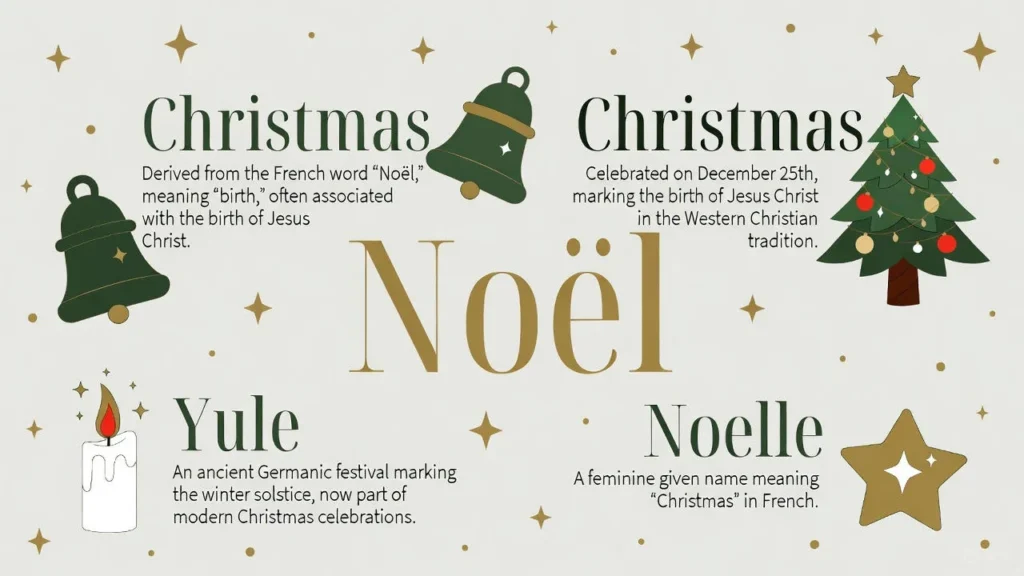
| Term / Phrase | Meaning | Use Case |
|---|---|---|
| Christmas | The birth of Christ | Standard English equivalent |
| Yule | Pagan winter festival | Historical or poetic use |
| Natal | Relating to birth | Scientific or formal contexts |
| Noelle | Feminine form of Noel | Common baby name |
💡 How to Use “Noel”

In Greetings:
“Wishing you a joyful Noel!” or “Merry Noel and Happy New Year!”
In Names:
Noel (male) or Noelle (female) can symbolize someone born near Christmas or associated with joy.
In Writing or Poetry:
Use “Noel” to evoke warmth, faith, and the spirit of giving.
💬 Pro Tip:
When used in text or design, capitalize “Noel” — especially in greetings or names.
🌍 Regional & Cultural Differences

- France: “Noël” (with an accent) directly means Christmas.
- United States / UK: Commonly seen in carols and names, symbolizing the holiday season.
- Philippines / Latin America: The term has strong religious connotations, often used in Catholic celebrations.
- Africa / Caribbean: Used as a name symbolizing joy and blessing.
💻 Usage in Online Communities & Pop Culture
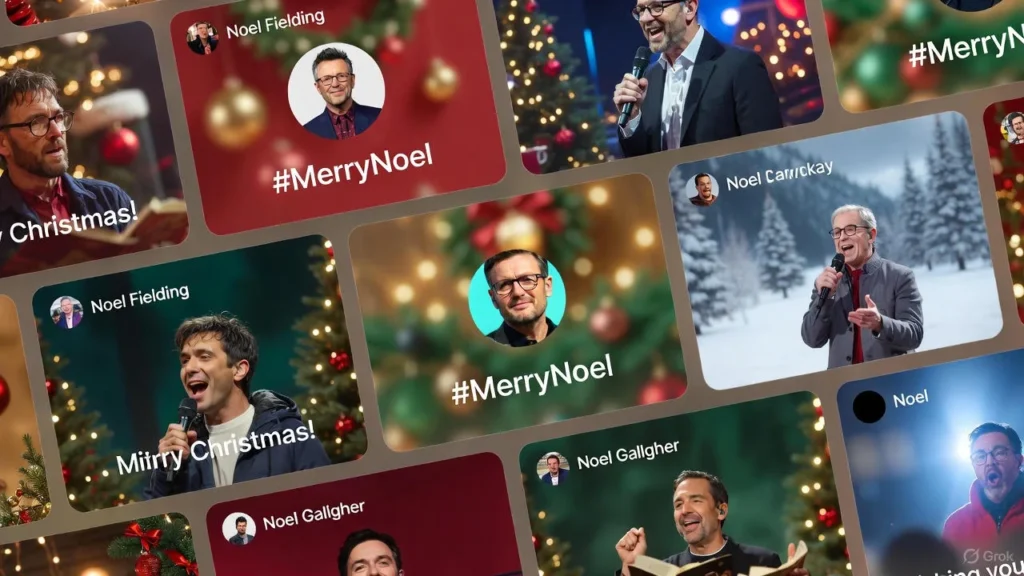
- Social Media: “Merry Noel 🎄” appears in captions, hashtags, and digital greetings during Christmas.
- Music: Featured in popular carols like “The First Noel.”
- Celebrities: Famous figures like Noel Gallagher (musician) and Noel Fielding (comedian) helped popularize it as a name.
❓ FAQs
Q1: What does Noel mean in the Bible?
A: It refers to the birth of Christ — the celebration of Christmas.
Q2: Is Noel a boy’s or girl’s name?
A: Traditionally male, but “Noelle” is the feminine version.
Q3: Why do we say “The First Noel”?
A: It means “The First Christmas,” celebrating Christ’s birth.
Q4: How do you pronounce Noel?
A: Commonly noh-EL (two syllables), especially in the French and religious sense.
Q5: Can Noel be used outside Christmas?
A: Yes — as a name or symbolic term for new beginnings and joy.
🏁 Conclusion
If you see it in a carol, greeting card, or baby name, Noel carries centuries of meaning.
From its Latin roots symbolizing birth to its modern-day association with Christmas joy, it remains a timeless word that connects people across cultures and faiths.
So the next time you hear “The First Noel,” remember — it’s more than just a song; it’s a celebration of life, hope, and new beginnings. 🎄✨