

Are you tired of cooking rice that turns out mushy, sticky, or undercooked no matter how carefully you follow a recipe? Whether you’re a busy home cook, a college student trying to make quick meals, or someone who wants to master the art of fluffy, perfectly cooked rice, this guide is for you. In this article, we’ll show you step-by-step how to cook rice like a pro, using simple methods that work every time.
From stovetop tricks to rice cooker hacks, even microwave and Instant Pot techniques, you’ll learn everything you need to make rice that’s soft, fluffy, and full of flavor. Say goodbye to kitchen frustrations and hello to rice that’s always on point!
Why Cooking Rice Correctly Matters
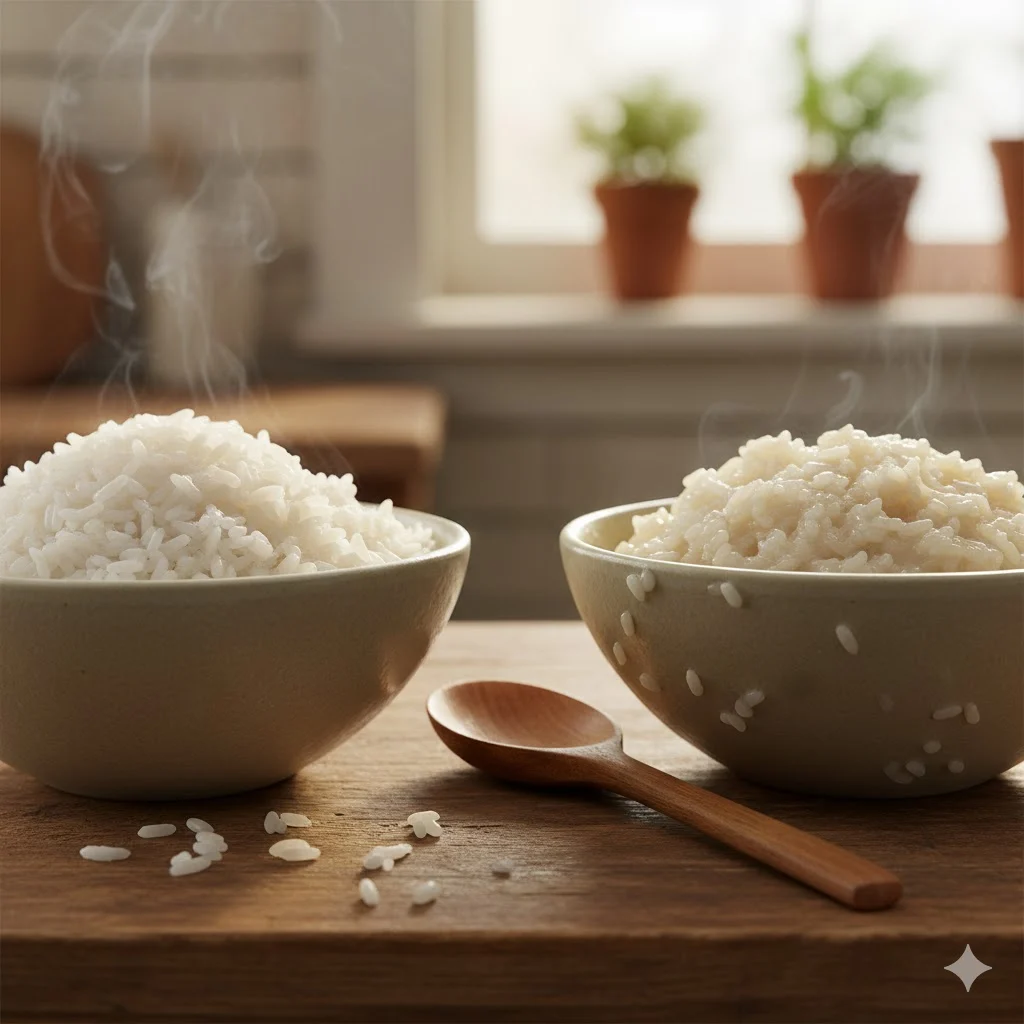
Rice seems simple, but small mistakes can ruin it. Overcooked rice becomes mushy, undercooked rice is hard and chewy, and improper rinsing can make it sticky or gummy. Perfectly cooked rice:
- Has individual grains that are fluffy and separate
- Absorbs flavor when cooked with spices or broth
- Provides a versatile base for countless dishes
Mastering rice is not just about following a recipe—it’s about understanding water ratios, rice types, and cooking methods. Once you get it right, rice becomes the unsung hero of your meals.
Types of Rice and Their Uses
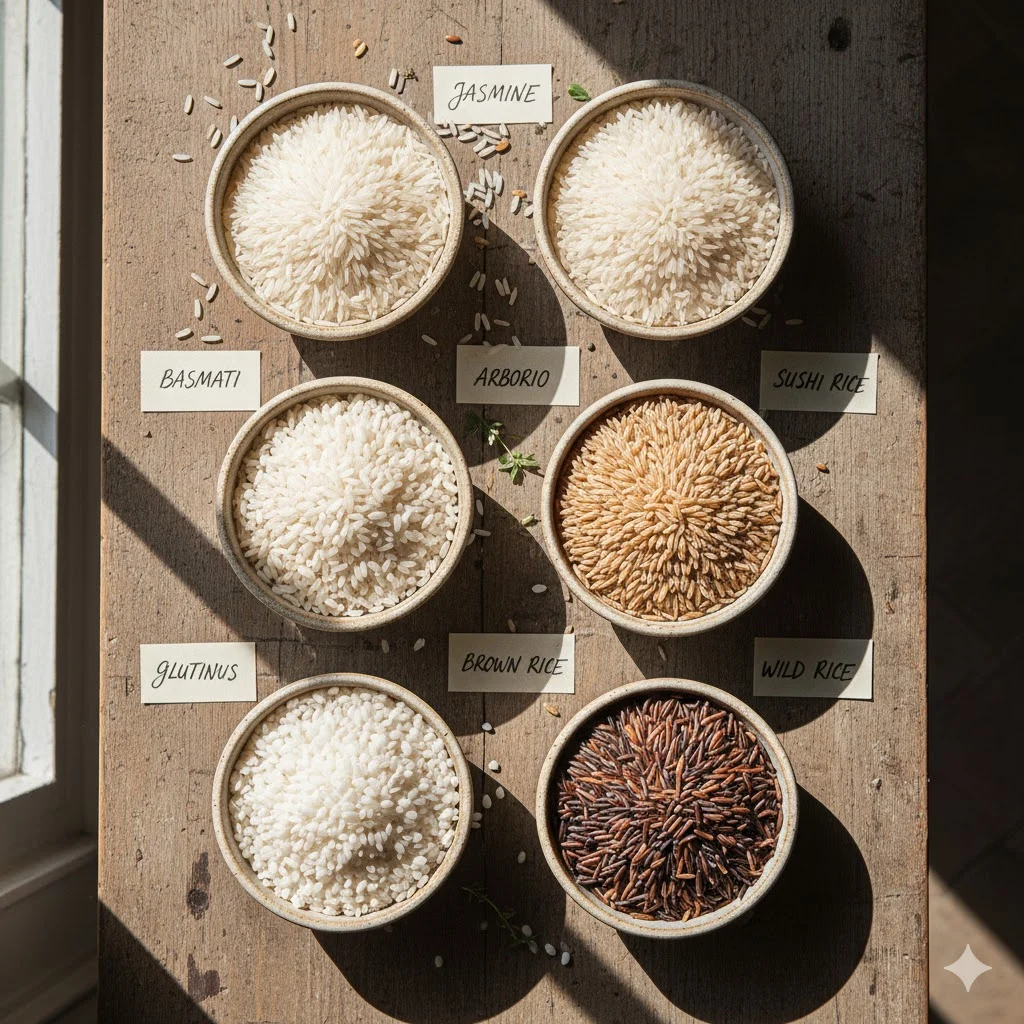
Choosing the right rice is the first step to perfect results. Different types absorb water differently and yield different textures.
| Rice Type | Grain Size | Texture When Cooked | Best For |
|---|---|---|---|
| Basmati | Long | Fluffy, separate grains | Indian curries, pilafs |
| Jasmine | Long | Soft, slightly sticky | Thai dishes, stir-fries |
| Arborio | Medium | Creamy, sticky | Risotto |
| Sushi Rice | Short | Very sticky | Sushi, rice balls |
| Glutinous Rice | Short | Very sticky, chewy | Desserts, dim sum, sticky rice |
| Brown Rice | Long | Chewy, nutty | Healthy meals, salads |
| Wild Rice | Long | Firm, nutty | Salads, pilafs |
Tip: Always check the package for cooking instructions, as water ratios and times vary.
Basic Stovetop Method for Perfect Rice
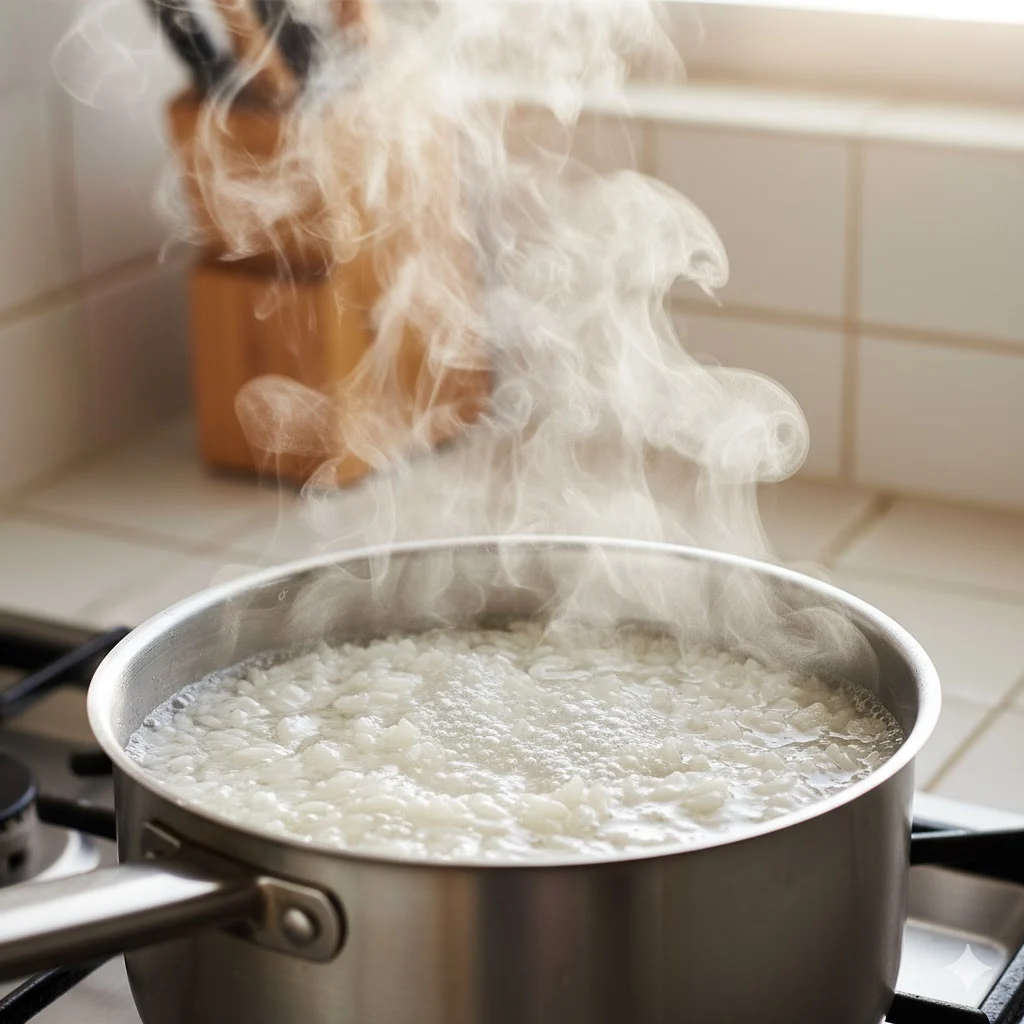
The stovetop method works for most rice types. It’s reliable and requires no special equipment.
Ingredients:
- 1 cup rice
- 2 cups water (adjust for rice type)
- ½ teaspoon salt (optional)
- 1 teaspoon butter or oil (optional)
Instructions:
- Rinse the rice: Rinse 2–3 times in cold water until water runs clear to remove excess starch.
- Boil water: Bring water to a boil in a saucepan. Add salt and oil if desired.
- Add rice: Stir in rice, then reduce heat to low.
- Cover and simmer: Cover with a tight lid and simmer for 15–20 minutes (long-grain) or per package instructions.
- Rest the rice: Turn off heat and let sit, covered, for 5–10 minutes.
- Fluff: Use a fork to fluff the grains. Serve immediately.
Pro Tip: For extra flavor, replace water with chicken or vegetable broth.
Rice Cooker Method
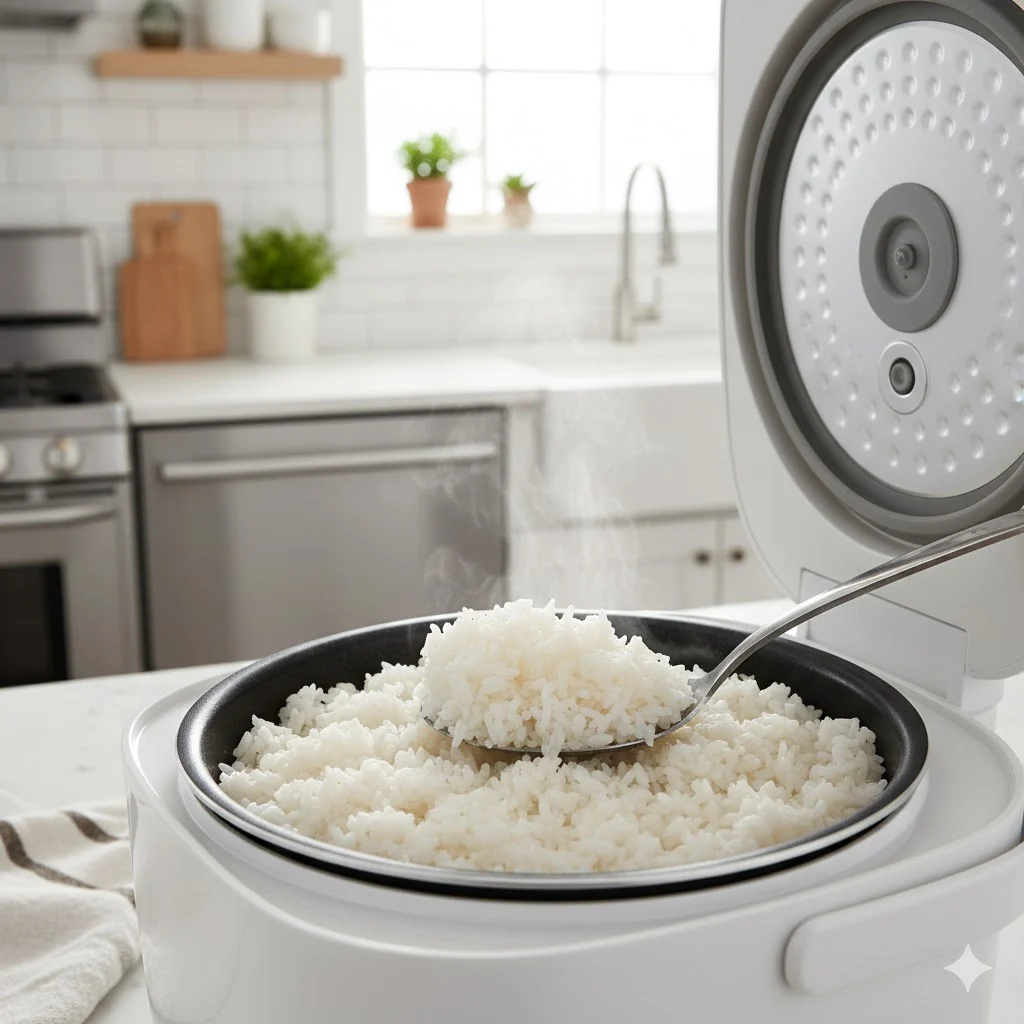
Rice cookers make cooking rice effortless, especially if you cook rice frequently.
Instructions:
- Measure rice and rinse thoroughly.
- Add rice to the cooker with the recommended amount of water.
- Turn on the rice cooker; it will automatically switch to “keep warm” when done.
- Let the rice rest 5 minutes before fluffing.
Bonus Tip: Many cookers have settings for white rice, brown rice, and sushi rice. Use the correct setting for best results.
Microwave Method
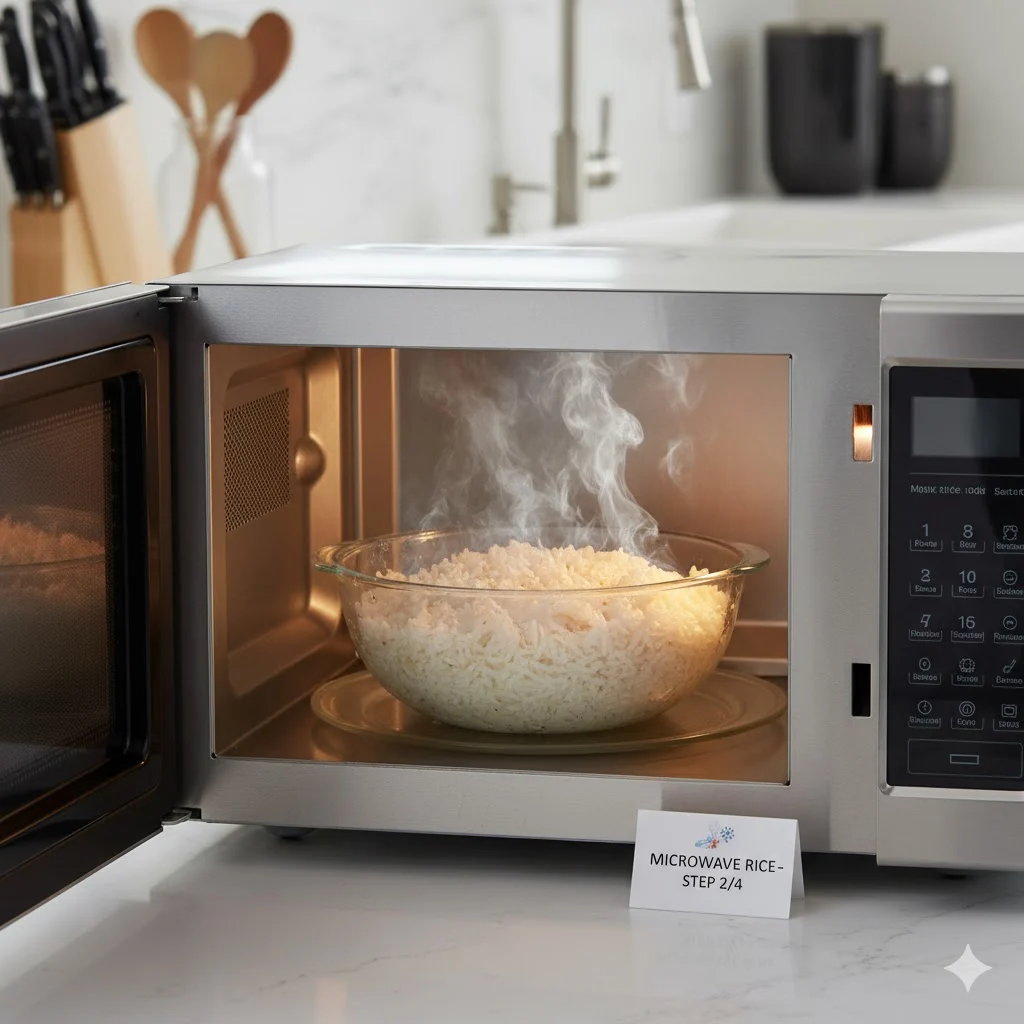
Perfect for small batches or when short on time.
Instructions:
- Combine 1 cup rice with 2 cups water in a microwave-safe bowl.
- Cover with a microwave-safe lid or plate.
- Microwave on high for 10 minutes, then medium for 15 minutes.
- Let it sit covered for 5 minutes, then fluff.
Tip: Add a pinch of salt or a teaspoon of butter to improve flavor.
Instant Pot & Pressure Cooker Method
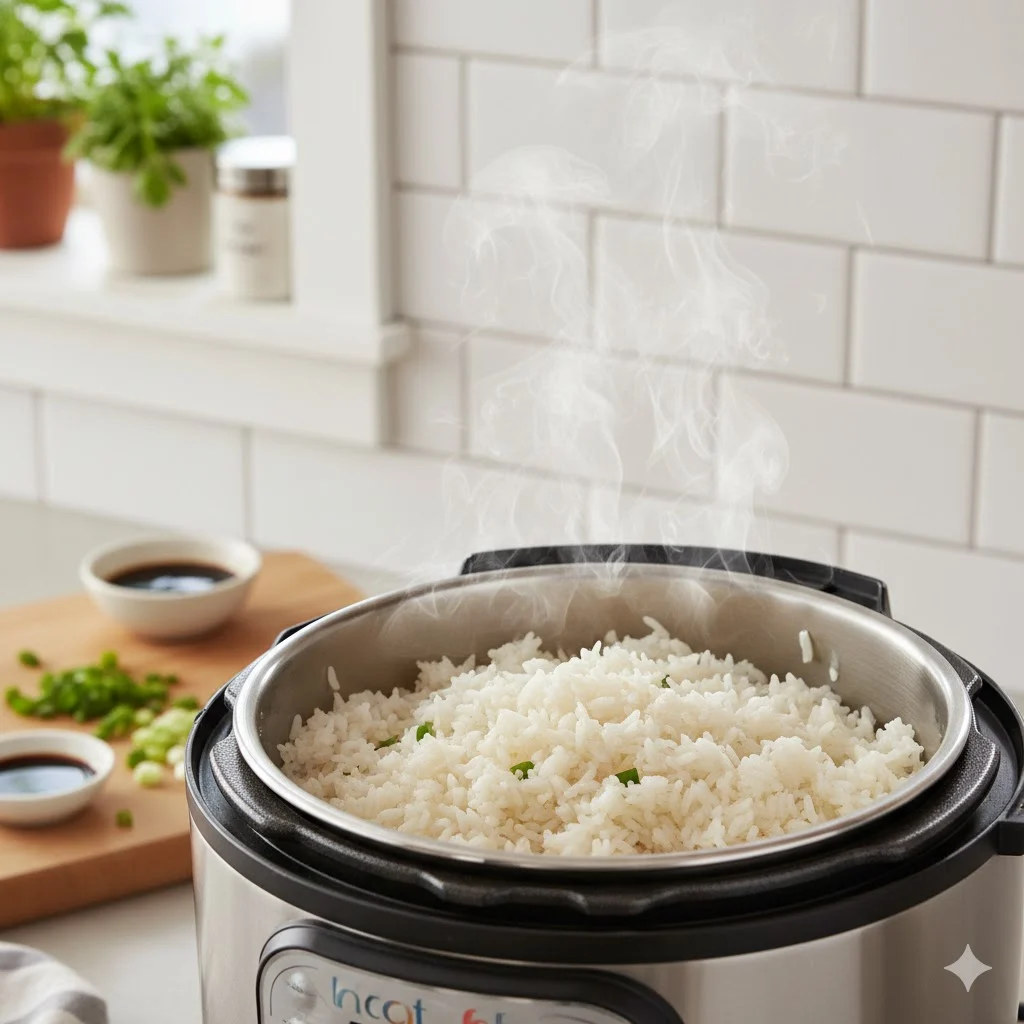
Pressure cookers and Instant Pots save time and yield consistent results.
Instructions:
- Add 1 cup rice with 1.25 cups water (adjust based on rice type).
- Seal the lid and cook on high pressure for 3–6 minutes depending on rice type.
- Let natural release for 10 minutes, then open carefully.
- Fluff with a fork and serve.
Tips and Tricks for Fluffy Rice
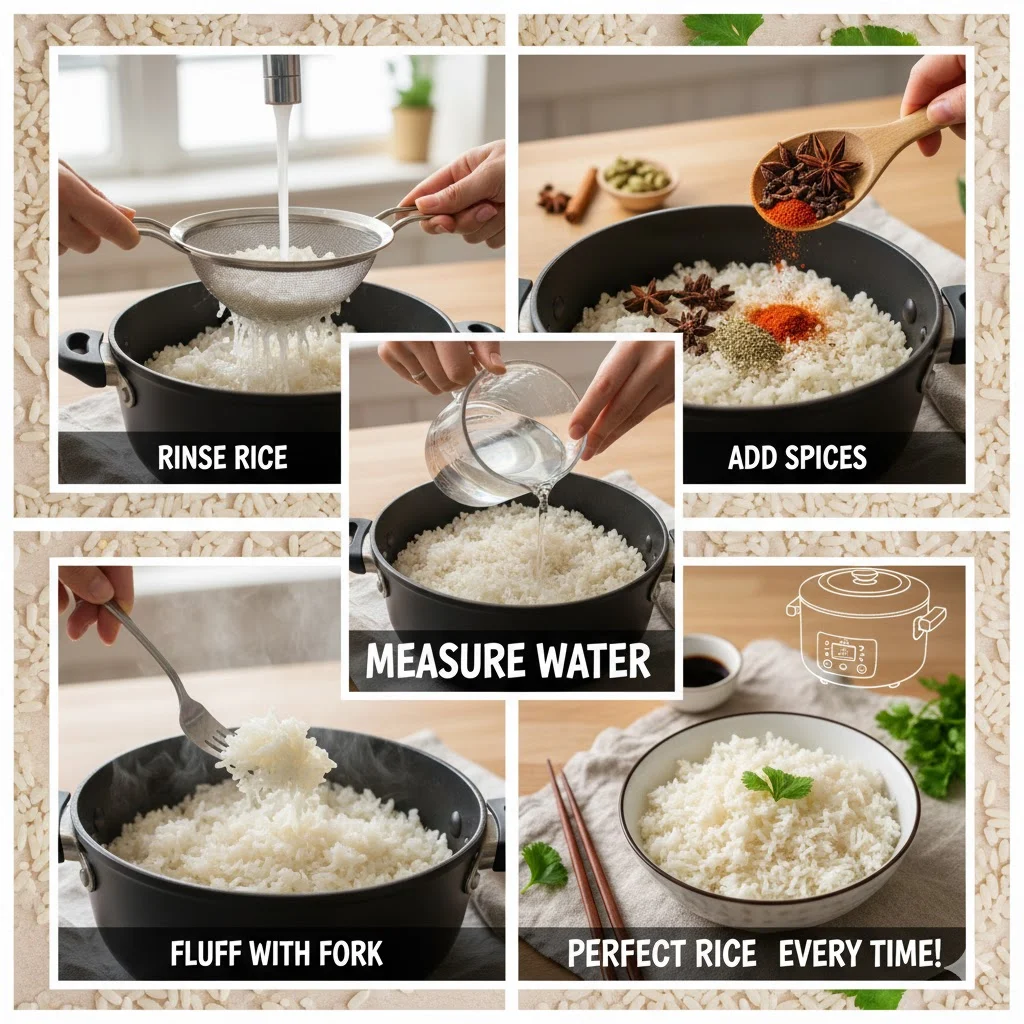
- Don’t lift the lid while cooking: Traps steam for even cooking.
- Use the correct water ratio: Slightly less water for firmer rice, more for softer rice.
- Rinse rice thoroughly: Removes excess starch for fluffier grains.
- Flavor boosters: Garlic, onion, bay leaves, saffron, or turmeric add depth.
- Avoid over-stirring: Stirring breaks grains and creates mushiness.
Common Rice Cooking Problems and Fixes
| Problem | Cause | Solution |
|---|---|---|
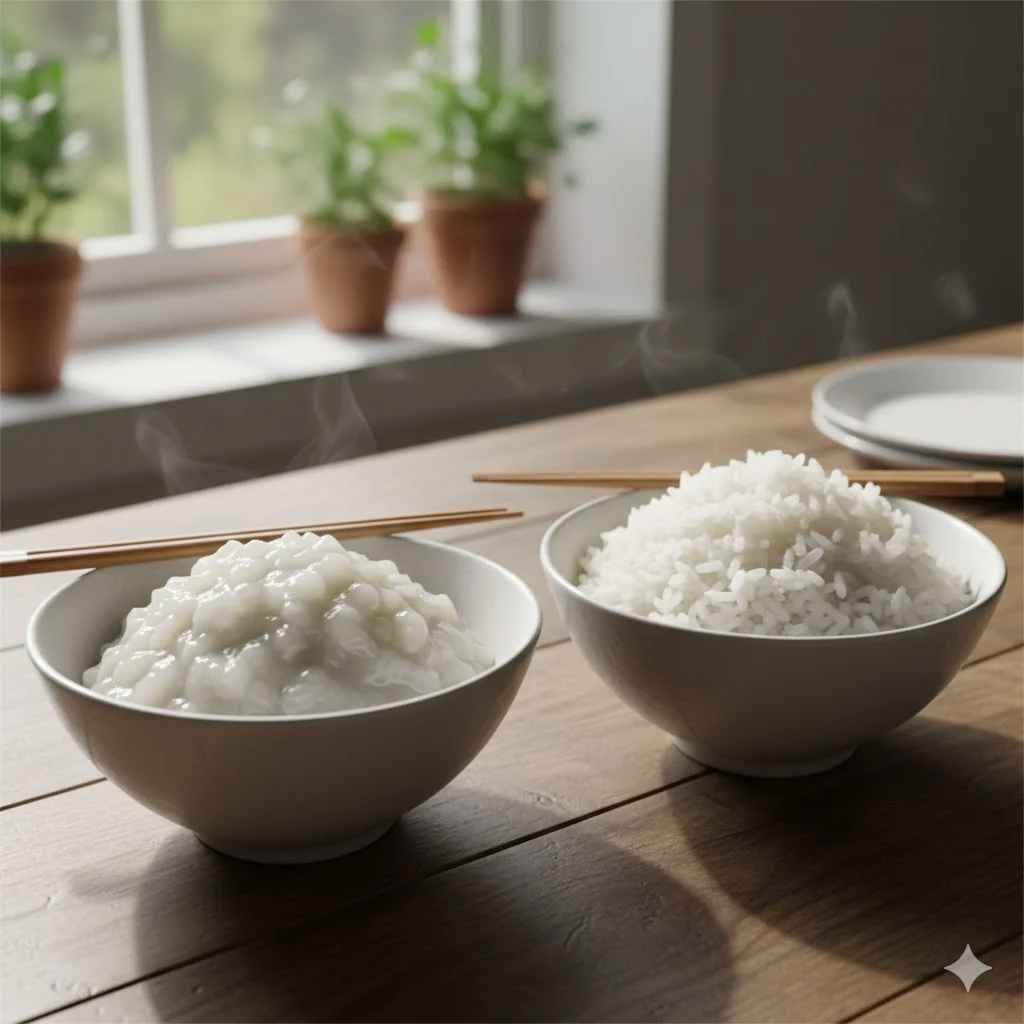
| Mushy rice | Too much water or overcooked | Reduce water, cook slightly less time |
| Hard rice | Too little water or high heat | Add splash of water, cover and steam |
| Sticky rice | Didn’t rinse or wrong rice | Rinse thoroughly, use correct rice type |
| Burnt bottom | High heat or uncovered | Cook on low heat, keep lid on |
Creative Rice Recipes
1. Vegetable Fried Rice
- Use leftover rice for better texture.
- Stir-fry with vegetables, soy sauce, eggs, and spices.
2. Chicken Biryani
- Layer cooked basmati rice with marinated chicken and aromatic spices.
- Bake or cook on low heat for a fragrant, flavorful dish.
3. Sushi Rolls
- Use sticky sushi rice, seasoned with rice vinegar, sugar, and salt.
- Wrap with seaweed and your favorite fillings.
4. Rice Pudding
- Cook short-grain rice in milk and sugar until creamy.
- Add cinnamon, raisins, or nuts for flavor.
Storing and Reheating Rice Safely
- Store: Refrigerate cooked rice in an airtight container for up to 4–6 days.
- Freeze: Can be frozen for up to 1 month. Use freezer-safe bags.
- Reheat: Steam or microwave. Ensure rice is piping hot before serving to avoid food poisoning.
Tip: Cool rice quickly before storing to reduce bacterial growth.
Frequently Asked Questions (FAQ)
Q1: How long does rice take to cook?
Depends on type: long-grain ~15–20 minutes, short-grain ~18–25 minutes.
Q2: Can I cook rice without rinsing?
Yes, but rinsing removes excess starch for fluffier grains.
Q3: How much water should I use?
Typically 2:1 water to rice for white rice. Brown rice requires 2.5:1.
Q4: Can I use broth instead of water?
Absolutely! It adds flavor and richness.
Q5: How do I prevent sticky rice?
Rinse thoroughly, don’t stir while cooking, use the correct ratio.
Q6: Can I cook rice in a microwave?
Yes, follow 1 cup rice + 2 cups water, high/medium microwave settings.
Q7: What’s the best rice for sushi?
Short-grain sushi rice. It’s sticky and holds rolls together.
Q8: How do I reheat leftover rice safely?
Steam or microwave until piping hot. Avoid reheating multiple times.
Q9: Can I cook rice in a pressure cooker?
Yes! Use 1:1.25 rice to water ratio and natural release.
Q10: How do I make rice more flavorful?
Add spices, aromatics, or cook in broth instead of water.
Conclusion
Perfect rice is achievable with the right technique, rice type, and water ratio. Whether you prefer stovetop, rice cooker, microwave, or Instant Pot, following these tips ensures fluffy, flavorful rice every time. Experiment with recipes, flavors, and textures to make rice the star of your meals.
Cooking rice may seem simple, but mastering it elevates your entire cooking game! 🍽️